What to do about soft rot in orchids? I have a few small suggestions
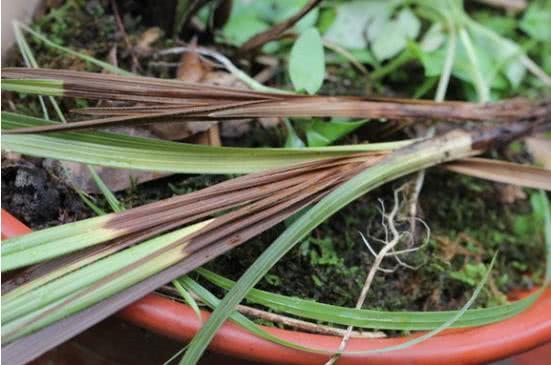
What is soft rot? Simply put, once an orchid catches soft rot, its leaves turn brown (black), and they also become limp and soggy, then gradually rot away. This disease is also very destructive; in severe cases the entire orchid may be affected. What's more, the thicker the leaves of an orchid, the more soft rot likes it.
Leaves turning black and soft are not symptoms of the early stage of soft rot. At the very beginning, some block-shaped small white spots appear on the leaves first. These blocks slowly expand, and their color slowly darkens. Generally after two days they appear dark brown. As these block-shaped spots spread, in severe cases the entire leaf will droop limply, rot and exude water, accompanied by a foul odor.
One condition for orchids to develop soft rot is dampness. One type is high air humidity, such as continuous rainy weather. When such natural conditions cannot be changed, first of all avoid letting the orchid get rained on, then make sure the growing environment is well ventilated, so the leaves can stay ventilated, dry and fresh as much as possible.
Another cause may be excessive watering by people. Overwatering causes water to accumulate in the pot or the moisture content to be too high, and the leaves are also affected by the damp soil layer and become damp. All of this speeds up the spread of the pathogens to a certain extent. So although orchids like moisture, you must not let them sit in standing water or become overly wet, as this not only easily causes root rot but also makes them very prone to disease.
There is also the possibility of wounds caused by people during planting, or wounds left by insect bites. Under dry conditions, these wounds heal relatively easily, and wound infection occurs less often. But in a poorly ventilated and highly humid environment, wounds tend to exude water and rot, which also gives other pathogens an opening.
If you find a small wound, you can spray the wound with potassium permanganate or carbendazim diluted 800-1000 times to sterilize and disinfect it. For those old, weak, diseased and damaged leaves with poor growth, prune off whatever can be pruned, so as to avoid consuming excess nutrients or dragging down the growth of other healthy leaves.