Treat eggshells this way and they become an all-purpose fertilizer for plants, so you never have to buy flower fertilizer again
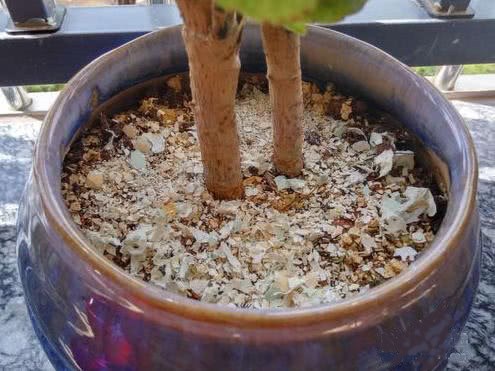
These days more and more people are growing plants, since tending a few flowers and greenery adds a lot of enjoyment and makes the home look nicer and more full of life. Gardeners who have been growing plants for a long time all know the principles of "to grow plants, first grow the roots" and "three parts fertilizer, seven parts water." Whether it is watering or fertilizing, every part matters. Fertilizing especially has somewhat higher requirements.
That is because too much or too little fertilizer, or the wrong kind, can cause problems in potted flowers, such as yellow leaves, root rot and so on. Watering, by contrast, is a bit easier to control. Next, let us share how to make the following kind of "fertilizer." It is none other than the "eggshell" so common in our daily lives.
Eggshells are a very useful calcium fertilizer; used for growing plants, they can promote strong root growth, glossy green leaves and a longer flowering period.
But using eggshells to grow plants also has its finer points. Use them well and they are a genuine all-purpose fertilizer for plants. So how can eggshells be used?
1. First wash the eggshells clean to remove the leftover egg white. Otherwise they easily breed bacteria, and fermentation will also release heat, which can burn the roots. So this washing step definitely has to be done.
2. After washing, they can be put in the yard or on the balcony to bake in the sun. The purpose of sunning them is to sterilize and disinfect. It also makes the next crushing step easier.
3. After the eggshells have been in the sun for two or three hours, they can be brought in. Crush them with a wooden stick or something else. Then they can be used directly. Whatever is left over can first be put into a container and sealed up.
How to use them: just dig a few small holes in the potting soil, fill the eggshells in, and that is enough. Then water once more. Eggshell fertilizer is different from other organic fertilizers in that you can water immediately after applying it.
Besides digging holes in the flowerpot and filling them with eggshell fertilizer, you can also mix it in when making new nutrient soil during the annual repotting and soil changing of potted flowers. Finally, a few tips on making "all-purpose nutrient soil." Most flowers like loose, fertile soil rich in humus.
Before making nutrient soil, prepare the following materials: leaf mold, eggshells, ordinary garden soil, gravel and pine needles. Of course, if you have some sun-dried manure, that is even better, and it can be used as a base fertilizer. Then simply mix the above materials in a ratio of 2:0.5:3:1:1.
Whether you make eggshell fertilizer or nutrient soil as described above, both are good choices for growing plants. For example, for the spider plant, clivia, pothos, asparagus fern, kalanchoe and gardenia that people commonly keep at home, basically no further fertilizing is needed for half a year.
When growing plants, no matter what tips and knowledge you have, the key is still to put your heart into it. Only when you treat every potted flower and plant with care will they repay you by growing lush and green and blooming with bright flowers.
That is all for sharing this knowledge about fertilizer for growing plants. Thank you for reading!
Remember to like and share~