Just three or four drops of growth oil in the pot, and the little sprouts pop up fast, with flowers blooming big and abundant
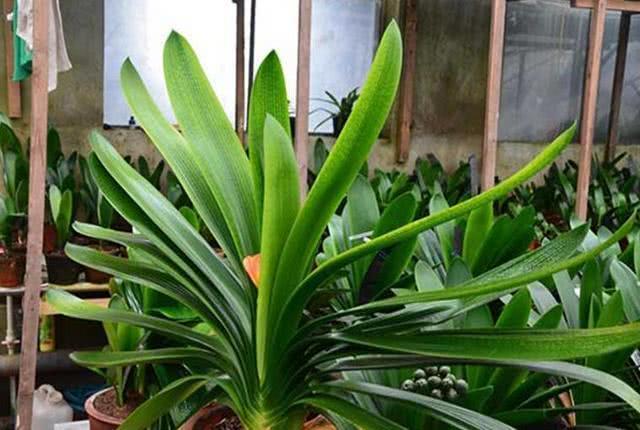
Clivia (Clivia miniata) is a potted flower with beautiful, elegant leaves, and its flowers are also very showy. It is a potted plant with both beautiful flowers and foliage, and it can also purify the air. Whether in the living room, bedroom, or study, you can place a pot, so to speak, it fits anywhere and never looks out of place. Many, many people love it, but unfortunately, although many people love it, few can grow it well. The biggest problem flower lovers encounter when growing Clivia is that it grows slowly and simply won't grow. So how can we make it grow faster? Let's take a look at Clivia's growth habits.
Clivia is a plant that loves rich, fatty potting soil, and it is a potted plant that favors oily fertilizers. Clivia needs sufficient nitrogen, phosphorus, and potassium to grow well, and in terms of the nature of fertilizers, it needs both liquid and solid fertilizers. So if we want to grow it well, we should first ensure it has sufficient nutrition and must use the fertilizers Clivia likes. Based on this, today's topic is:
Add a little "growth oil" to the pot, just 3-4 "drops", and little sprouts pop up in a rush, blooming in big, big clusters
Add a little fried "sesame" when potting, and Clivia's new sprouts come rushing out
Because Clivia likes oily fertilizers, when potting it we must prepare sufficient nutrition for it. As for Clivia's potting soil, since Clivia likes loose, breathable, nutrient-rich, slightly acidic soil, it is recommended to prepare it like this: 50% humus soil, 20% horse manure soil, 10% furnace ash residue, 10% river sand, and 10% bone meal and fried sesame, mixed evenly.
We need to take an appropriate amount of sesame from home and dry-fry it in a pan until cooked, until the fragrance comes out.
Clivia cared for in this way will send out new leaves in a rush, and the leaves will be thick and fleshy with clearly visible veins, especially beautiful, and it will bloom abundantly!
Give it a little sesame oil to eat, 3-4 drops is enough, and it blooms in big, big clusters
Because Clivia likes oil, we can give it a little sesame oil to eat, but it also needs fermentation. Find a plastic bottle, fill it to 8 parts full with rice-washing water, then drip in 3-4 drops of sesame oil, put it in the sun to bake and ferment. At the current temperature, about 30 days is enough. It needs to be diluted with water at a ratio of 1:20, and used once about every 10 days.
Flower lovers can also drip a few drops of sesame oil into the pot, stir it to dissolve in water, then dip a soft cloth in the water and wipe the leaves, which can make Clivia's leaves thick and fleshy, especially glossy, with a graceful leaf shape.
Besides sufficient nutrition, if you want to grow Clivia well, you should also pay attention to the following points:
1. Light
Clivia is best placed on a south-facing balcony with good light. Except in summer when it needs shade, it can receive normal light the rest of the time. Also, Clivia grown outdoors needs its pot turned every few days so its leaves grow evenly and symmetrically and don't grow crooked.
2. Watering
Actually, watering Clivia has always been a big problem, and many people never get it right. Too much water is bad, and too little is no good either. So how exactly do we tell whether Clivia needs water or not?
Flower lovers can insert a wooden stick into the soil to test it. Pull out the stick and see whether the soil clinging to it is dry or wet. If it is very dry, you can water, but water thoroughly, and there must be no standing water in the pot.
Flower lovers, have you learned it?