Fertilizing climbing roses: with the right technique, they bloom continuously and cover the wall
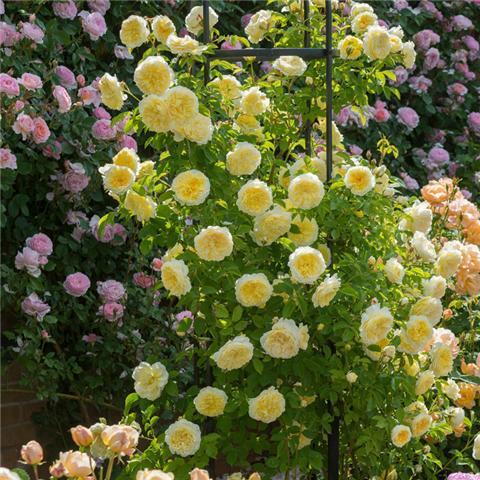
If you want climbing roses to cover the wall, fertilizing is key, especially during the flowering period. Mastering the correct and reasonable fertilizing method can keep the plant growing healthily and blooming continuously. Below we introduce the fertilizing method for climbing roses!
Fertilizing tips for climbing roses:
(1). During the seedling stage of climbing roses, the plant is relatively fragile at this time, so fertilizing must be strictly controlled. Do not apply concentrated fertilizer or raw fertilizer. You can apply a small amount of nitrogen fertilizer to meet its growth needs and promote growth. When fertilizing, be sure to remember the principle of frequent light applications. Fertilizing can be combined with watering, and watering can dilute the fertilizer.
(2). During the growing period of climbing roses, growth is very fast at this time and the demand for fertilizer is high. To ensure sufficient fertilizer, you need to increase fertilization. You can use a compound fertilizer with a balanced content of nitrogen, phosphorus and potassium, which provides balanced nutrients. Fertilizing once a week is enough.
(3). During the flowering period of climbing roses, flower buds appear at this time. In order to promote bud formation and produce better flowers, fertilization needs to be controlled properly. Generally, fertilize once a week, combined with watering, to keep the soil sufficiently moist. When the flower buds are coloring, you can spray a phosphorus-potassium fertilizer once to make the flowers bloom larger and more vividly.
(4). After the flowers fade, the demand for nutrients also decreases, so you can stop fertilizing. Remove the spent flowers promptly to avoid further nutrient consumption and prepare for the next bloom.
(5). In summer and [autumn/winter?], the plant enters a dormant period. Stop fertilizing. Growth is slow at this time, and fertilizing will make it very difficult for the plant to get through summer and winter, affecting its lifespan. Just keep watering to keep the soil in a moist state.