Miss this one thing with roses in summer, and a whole year of care is wasted and blooming becomes difficult
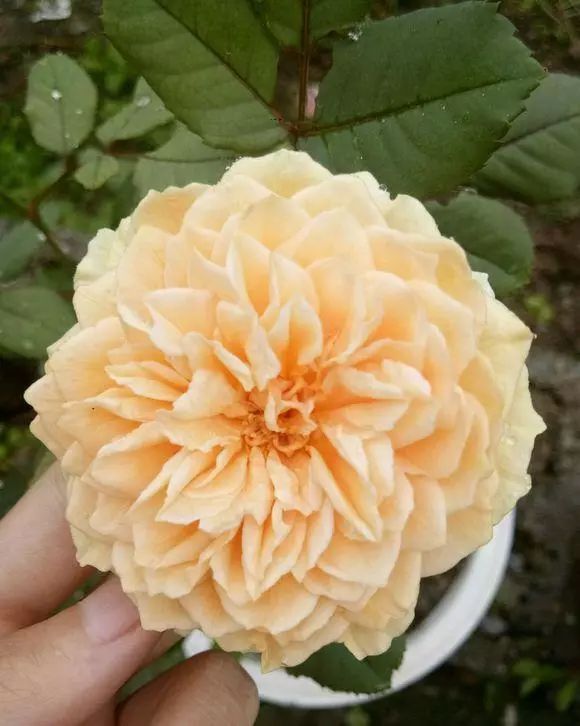
Many gardeners who grow roses report that their roses have grown very large and strong, with lots of branches and leaves, but they only produce a few flowers each year. They give plenty of fertilizer and the light is adequate too, so why won't they burst into a full bloom? In fact, a big reason is related to summer pruning, so how should roses be pruned in summer? Today I will talk about it with everyone.
When it comes to pruning roses, many people know to prune the branches in winter after the roses go dormant and before they bud. But why summer pruning? Then I will talk about the necessity of summer pruning for roses. Roses reach their flowering peak in late spring and early summer, and most varieties then enter a period of growing branches and leaves. At this time they bloom less, and some varieties even stop blooming and only grow branches and leaves. As temperatures rise and the rainy season arrives, roses enter their fastest growing period in late July to early August (in the North China region). If growth is not controlled, the rose's plant shape will become leggy, the stored nutrients will be used for branch growth, and overcrowded branches causing poor ventilation and insufficient light will all affect the next year's blooming. Therefore, pruning rose branches in midsummer is very necessary.
How is summer pruning done? Mainly by mastering the following three principles you can do summer pruning well: The first is to remove the weak and keep the strong. After a year of growth and the flowering period, many weak branches will show up, with yellowing leaves, smaller leaves, and dry, hard branches. Therefore, when pruning, these weak branches should be cut off. In addition, branches found to be infected with pests or diseases should be pruned promptly. Because roses all bloom on the previous year's branches, the replacement of old and new branches must be completed in summer. This year's new branches are the main force for next year's blooming.
The second principle is to separate crossing branches and branches growing in the same direction. In summer there is abundant rain, and roses grow wildly, causing many new branches to grow crossing each other. When the wind blows and the branches sway back and forth, the contact points of crossing branches can be rubbed raw and become infected, so for such crossing branches one of them should be cut off. In addition, for multiple branches growing in the same direction at the same time, especially branches that are too close together, they should be thinned out to ensure sufficient light and ventilation.
The third principle is to use different pruning methods according to different varieties of roses. For example, for large climbing roses, do not cut back the branches in summer, as this will only cause more side branches to sprout, which is not good for shaping during winter pruning. But for shrub roses and weaker-growing roses, cutting back branches can promote more side branch growth, and more flowers can bloom the next year.
If you think the article is good, share it with your friends too!
Reply "e-book" to get a professional flower-growing e-book!
Reply: plant name (such asMoney Tree): to view care methods