Don't throw away the stems of this vegetable - it's a nemesis of high blood pressure, and you can grow it in a pot at home
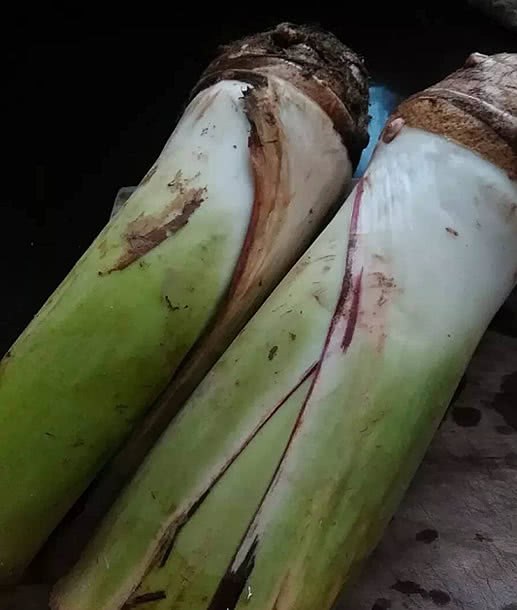
Everyone has eaten taro, but when it comes to taro stems, they are usually thrown away. It turns out that taro stems are just as good - when I was little, they made a particularly delicious dish, and I haven't eaten them in a long time. Seeing others dig up taro and throw away all the stems, it still feels like a waste.
We wash the taro stems clean and can stir-fry them directly, or cut them into chunks and make pickles - also a great appetizing and healthful food.
But when eating taro stems, you must cook them thoroughly, otherwise they can be somewhat irritating to the throat, and that numbing, prickly feeling may not be to everyone's liking. Also, people with an allergic constitution had best not eat them, as they may trigger an allergic reaction.
Taro stems are very high in protein, and after cutting there is a lot of mucilage, in which the protein content is highest. Most of these substances are broken down into amino acids, and a small portion is absorbed directly, making them very effective at boosting one's own immunity.
Taro stems are also a food that helps treat high blood pressure. They are high in potassium ions and low in sodium ions - a typical high-potassium, low-sodium food - making them very suitable for people with high blood pressure.
Taro can also be grown in a pot at home. Not only can you eat the taro, but the taro stems are delicious too, and it can serve as an ornamental potted plant as well. If you grow vegetables, don't overlook this one!
Choose healthy taro and first sprout it in water, then plant it directly into a flower pot, with the sprouting end facing up. Water it thoroughly, put the taro in a shady spot, and keep it ventilated with indirect light.
Water it every day. Once the sprouts have grown a bit, you can place it in the light for care - either indirect light, or put it on the balcony to get some sun every few days. Generally speaking, a short period of light each day is enough to sustain growth.
However, note that if you are only growing it as an ornamental potted plant, you can choose a smaller pot. If you want to harvest taro, then the pot needs to be suitably large and deep.