Reviving the Culture of Rice Terraces: Japan's Owner System Helps People Own a Rice Terrace
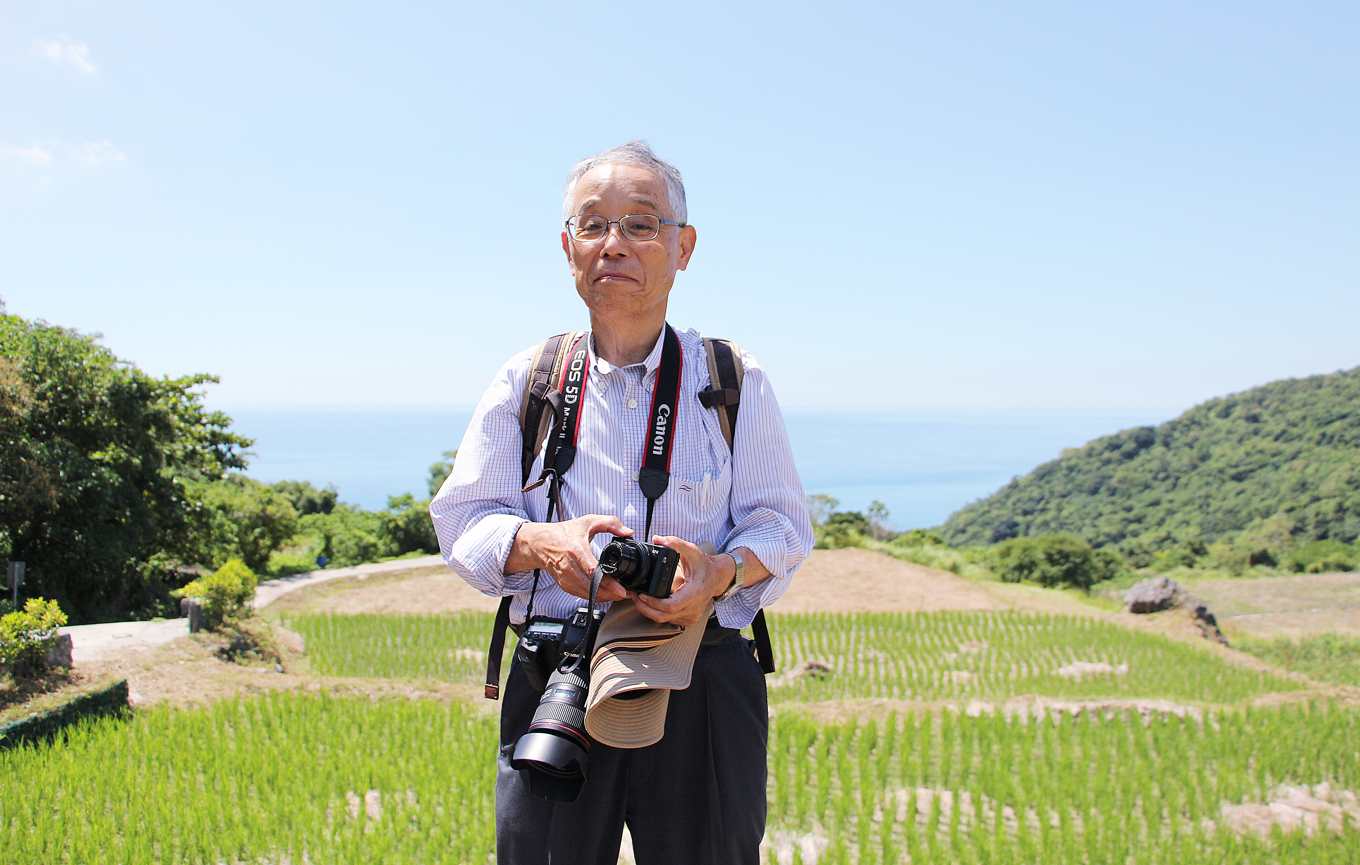
Between the sea and the fields, a small figure darts along the paddy ridges, occasionally stopping to observe the animals and plants in the fields, using photo after photo to document the rich ecosystem there. He is Kazuomi Yasui, vice chairman of the Japanese Society of Irrigation, Drainage and Rural Engineering's Rice Terrace Studies Group, who grew up in the countryside, where the rice terraces were his childhood playground.
"All these photos are simply meant to convey the concept of satoyama." Yasui points out that satoyama includes forests, flowers and grasses, rivers, animals, and the living spaces of farmers. As Japan's rice terraces are gradually abandoned and settlements disappear, the Japanese rice terrace society came into being and began the difficult work of terrace revival.
Many areas in Taiwan, China, are likewise carrying out the restoration of rice terrace cultivation. To learn from Japan's experience, the Hualien District Agricultural Research and Extension Station held a lecture on 25th on practical experience in the conservation and utilization of Japanese rice terraces, inviting Eiji Yamaji, chairman of the Japanese rice terrace society, vice chairman Kazuomi Yasui, and trainee Michiko Nomura to take part. Yasui has long observed Japanese villages, where abandoned terraces and deserted houses can be seen everywhere, and he is not the only one who senses the crisis.