What to do when a bonsai takes too long to take shape? Here's how to speed up the process
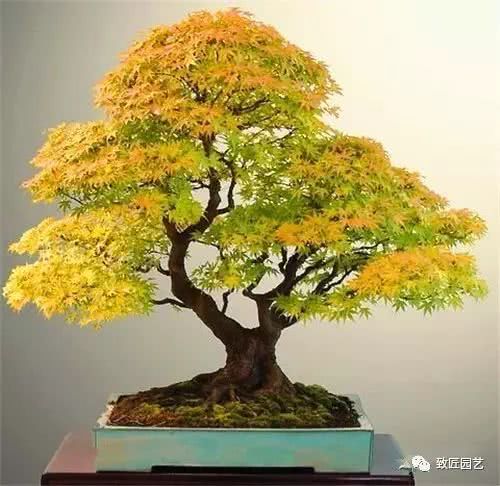
Creating a mature bonsai takes a very long time. During this period, the plant is shaped by both natural growth and human intervention, so it is essential not to rush for quick results. That is why method matters enormously in the creative process.
After decades of practice and quite a few detours, I finally worked out the synchronous cultivation method: during the creative process, try to make the roots, apex, branch pads, and twigs of the bonsai grow in harmony and in step, so that no single part grows too fast or too thick while another grows too slowly or too thin, and so that vigorous parts do not become more and more vigorous while weak parts become weaker and weaker or even wither and die. This method greatly shortens the time needed for a bonsai to take shape.
1. The stump cultivation period
Try to prune the stump right the first time. If the roots are left too long, it will be hard to pot it up later, and cutting or sawing again will increase the risk of death. To bring out the stump's character better, you should also prune according to the shape of the stump's base and trunk and your creative ideas. While pruning, treat the roots as well, because after several years of growing in the ground there may be many thick roots and few fine ones. To make future potting easier and to encourage fine roots, cut back the thick roots appropriately and apply rooting hormone to the cut ends to stimulate fine root growth.
Once pruned, the stump needs no major changes for 1 to 2 years in the ground, but you must set the positions of the apex branch and the pad branches, gradually removing the surplus branches and letting the apex branch and pad branches grow thick and strong. After 3 to 5 years, when the first section of a pad branch is thick enough, start cutting the branch back so it buds out and grows horizontal angle branches. During this stump cultivation period you must master the controlled and free growth of the branch pads, apex branches, and roots, cultivating them in step. If the apex branch grows fast, control its growth strictly; if you let it grow freely it will become too thick and too long and lose proportion. This is why some bonsai grow their apex section by section upward and finally become impossible to manage. The horizontal branches below the apex must also have their growth controlled and must not become too thick or too long.
2. The cultivation period for pads, branches, and the apex
Cultivating the pads, branches, and apex is a very important stage: you must both cultivate and create, so you have to master it well to avoid detours and wasted time.
If it is a formal upright tree or a short chunky large tree, first set the horizontal angle branches and let them grow until they reach the right proportion; control the other branches appropriately according to their size; branches below the apex must be strictly controlled and must not become too thick, with growth regulated by layer and proportion.
If you want to create a large cascading branch or a large drooping branch, then to make the cascading or drooping branch grow fast, control the growth of the branch pads, especially the apex branch and the branches at the apex, controlling their growth even if they have not reached proportion, and do not cut off the horizontal branches on the cascading or drooping branch. If, when the cascading or drooping branch has reached a certain thickness, you find the tail branch is not growing vigorously, control the horizontal branches on the cascading or drooping branch appropriately, especially the horizontal branches kept as pads; if the thickness has reached proportion, cut them back by half or two-thirds of their length to let the tail branch grow vigorously. Cultivated this way, the cascading or drooping branch can take shape quickly.
When the cascading or drooping branch has reached proportion, begin cultivating the horizontal angle branches on the pads of the cascading or drooping branch, and at the same time cultivate the horizontal angle branches on the other pads, trying to make all the horizontal angle branches grow in step. At this point, strictly control the growth of the apex branches, cut off thick branches with poor direction, keep thin branches with good direction and cultivate them slowly, so that the apex branches are reasonably distributed, clearly layered, and neatly spaced. If the apex is not well controlled, maturing too early or having branches that are too thick or too long will seriously affect the effect of the bonsai creation; you should also check the roots, cutting off roots that are too long or too thick and letting them grow more fine roots, to ensure safe potting.
3. Potting to confine the roots and create fine branches
When the bonsai has been cultivated in the ground to sixty or seventy percent maturity, it must be potted and cultivated for one to two years, letting the root system develop in the pot and producing more fine roots so it can adapt to long-term growth in a pot later.
For potting to confine the roots, the pot used should be somewhat larger than the pot suitable for the mature tree, because after the bonsai tree has been cultivated in the ground for many years, growing it in a pot carries a certain risk; using a somewhat larger pot preserves more roots and provides enough soil, which lowers the risk.
During the potting and cultivation period, accurately grasp the direction and overall layout of each pad and the apex branches, controlling the apex branches so they do not grow too fast, too thick, or too long; keeping the apex at forty to fifty percent maturity is enough. For each pad and each section of horizontal angle branches and fine branches, control their growth in order from thick to thin, letting grow what should grow and controlling what should be controlled, cultivating according to your creative ideas.
After one to two years of confining and cultivating the roots in a pot, if the bonsai is growing fairly vigorously, it does not need to go back into the ground; when it has reached eighty or ninety percent maturity, you can move it from the original larger pot into a pot of suitable size for cultivation. If it is not growing well, it must go back into the ground for cultivation, and be potted again once it is growing vigorously. The method for cultivating the branch pads and apex branches after returning to the ground is as before.
4. Finishing the apex and cultivating the dynamic branches
When the bonsai's pads are basically mature and a batch of young twigs has grown on the horizontal angle branches, you can focus on creating the apex. The size of the apex depends on the size and layout of the bonsai. Leave three to five forked branches on the apex branch to form the crown, and below that leave several branches running in three to four directions, kept in order according to their thickness and length, trying to avoid overlap and achieve an open, layered feel. The branches should also have variation, not one straight branch all the way to the end: with bends and horizontal angle branches, the apex you create will be beautiful.
While cultivating and creating the apex, cultivate the young twigs on the horizontal angle branches of each pad, the ones people usually call toothpick branches. During the young twig cultivation stage, control their growth well so they do not become too thick or too long. Timely prune the ones that grow long and fast, let the weak branches catch up in growth, or carry out the "remove clothing and change brocade" treatment to encourage one or two more flushes of buds, so that the young twigs on all the pads of the whole bonsai grow evenly. Only by cultivating and creating in this way, with every part growing in step and in harmony at every stage, can you shorten the time it takes for a bonsai to take shape, take fewer or no detours, and create a Lingnan bonsai of graceful form.
Featured content