When fertilizing flowers in summer, avoid these 4 times, otherwise the leaves will turn yellow and the flowers will drop
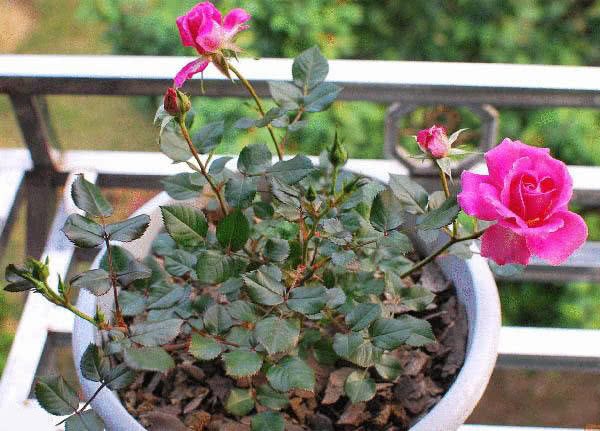
There are more and more gardening enthusiasts, and everyone has mastered some knowledge and skills for growing flowers, such as watering flowers with rice water, using decomposed soybeans to grow flowers, and so on. Potted flowers are like this: if you care for them attentively, they will surely repay you with lush green leaves and bright flowers. Simply put, "growing flowers requires heart."
In fact, throughout the whole process of growing flowers, no matter which kind of flower or plant it is, some aspects of care are the same. For example, most watering should follow "water when dry, stop when wet," and for fertilizing, most "strong fertilizers" cannot be applied. Regarding fertilizing, today we will focus on sharing that for most flowers, in summer, these 4 "times" should not be fertilized, otherwise leaves will turn yellow and flowers will drop.
The 1st time: During the flowering period, do not apply "nitrogen fertilizer"
I believe many gardening enthusiasts know the benefits of nitrogen fertilizer: nitrogen is the main element that promotes plant growth. When there is more nitrogen in the flower pot, the plant's stems and leaves will grow more vigorously. Therefore, nitrogen fertilizer is mostly used during the growth period of flowers and plants. If nitrogen fertilizer is applied during flowering, it is very likely to cause leggy growth of leaves and dropping of flowers and buds. Common nitrogen fertilizers include decomposed soybeans, expired soy milk, etc. Remember not to use them before flowering.
The 2nd time: During the dormant period of flowers, do not fertilize
The dormant period of flowers, simply put, is the flowers' "self-adjustment period." For most flowers, summer is the dormant period because the temperature is too high. For these flowers, fertilizing must be stopped, and even diluted fertilizer water is not allowed. If fertilized at this time, the plant will take in too many nutrients that it cannot consume, leading to "soil compaction in the pot." After the potting soil becomes compacted, the root system cannot be in a loose and breathable environment, and root rot will naturally occur. This in turn causes yellow leaves and dropped flowers.
The 3rd time: Newly cultivated flowers and plants should not be fertilized
Experienced gardening enthusiasts all know that in the care of newly transplanted flowers, what should be emphasized is the early preparation of the "nutrient soil," rather than applying fertilizer externally too early. When a plant is newly cultivated, the root system generally has wounds, and at this time what it needs most is a loose environment to heal the wounds. Fertilizing will irritate the root cells and make it difficult to heal, and in that case the plant is not far from root rot and death. Especially for some flowers propagated by cuttings in summer, such as pothos, Chinese rose, kalanchoe, and rubber tree, remember not to fertilize before they have taken root.
The 4th time: When the leaves of flowers turn yellow, do not fertilize for now
Why is it said that plants should not be fertilized when their leaves turn yellow? Because whether in summer or other seasons, for most flowers, yellowing leaves are rarely caused by fertilizer. Apart from light and ventilation, watering is the main culprit. As the saying goes, growing flowers depends 30 percent on fertilizer and 70 percent on water. Many beginners kill their flowers by watering them to death. Water accumulation leads to root rot, and then yellow leaves.
When the leaves turn yellow, the first thing to do is think about what caused the situation. If it was caused by too strong or too frequent fertilizing, then fertilizing must not continue. Instead, the pot and soil should be changed immediately and the root system washed.
That is all for sharing the knowledge about fertilizing flowers. Thank you for reading!
Remember to like and share~