Tricks for a lush, leafy pothos: master these few points and you can grow it well
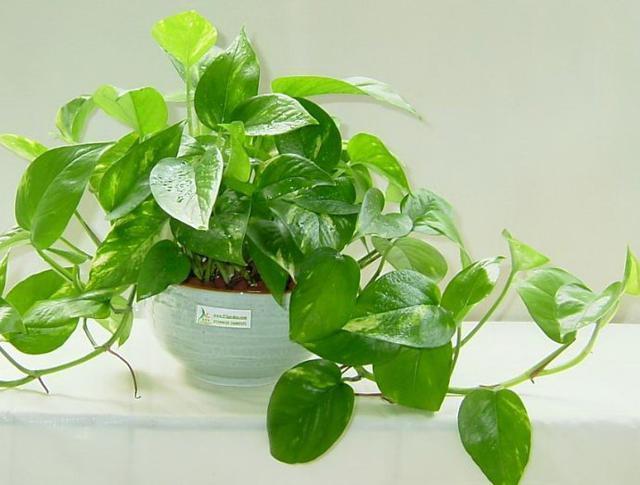
Pothos is a typical foliage plant. Its leaves are emerald green and glossy, and its stems and leaves droop naturally, adding a lot of vitality to the room. Moreover, it can effectively absorb harmful gases such as formaldehyde from the air, making the indoor air fresh and natural. Of course, pothos has fairly strong vitality and can be grown either in water or in soil, but how do you grow it into a lush, leafy plant?
Light
Although pothos is a typical shade-tolerant plant, all plants need to carry out photosynthesis to grow lush and leafy. If it grows in a dark place for a long time, pothos will grow slowly. So when growing pothos, you need to give it a little scattered light, and be sure not to expose it to direct strong light, and then pothos can grow vigorously.
Water
Pothos is suited to growing in a moist environment, so during its growing season you need to keep the soil slightly moist, but do not water it too much either, otherwise the roots of the pothos are prone to rot. And in summer, you can spray some clean water on the leaves to increase air humidity, and it can also wash the dust off the leaves.
Temperature
Pothos has relatively high temperature requirements, with an optimum growing temperature of 25~10°C. When the temperature is high in summer, you can cool it down by giving it a fan or spraying water. In winter, you need to take good freeze-protection measures. When the temperature is below 10°C, it should be moved to a slightly warmer place to grow.
Fertilizing
During the growing season of pothos, you can apply fertilizer about once every 15 days. It can be directly decomposed flower fertilizer, or purchased fertilizer, but do not apply too much fertilizer, as it easily burns the roots. Be sure to "apply thin fertilizer frequently." But in winter, pothos will grow slowly, so stop fertilizing.