10 Simple and Effective Ways to Make Your Own Flower Fertilizer
For people who grow flowers, flower fertilizer is very familiar. Basically, all the flowering plants kept at home need the nourishment of flower fertilizer to grow densely and flourish. Some people always go to the market to buy flower fertilizer, but little do they know that as long as you pay careful attention, flower fertilizer can be found everywhere in our daily life. It just depends on whether you know how to make it. Come and take a look at the simplest ways to make your own flower fertilizer!
1. Eggshell Flower Fertilizer
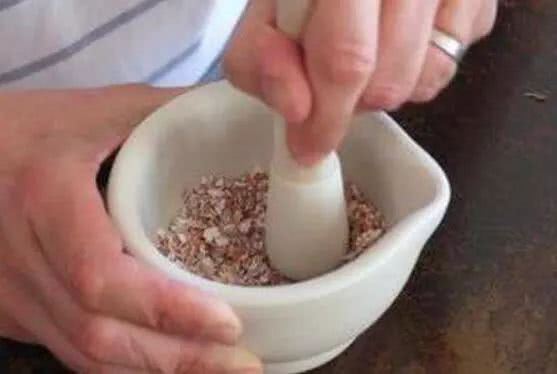
The simplest homemade flower fertilizer is definitely eggshell fertilizer. Anyone who grows flowers knows that eggshells can be used as fertilizer for flowers. Usually, many people just place the eggshells upside down directly in the flower pot, but this makes absorption very slow. The best way to make fertilizer is to crush the eggshells into powder. This eggshell powder is best added to new soil when repotting flowers in spring.
Eggshell fertilizer contains many trace elements and is suitable for all flowering plants, especially helpful for spring flowering plants' branch growth and sprouting.
2. Rice Water Flower Fertilizer
For many flower lovers, the simplest way to make homemade flower fertilizer is to use rice water. This method is the most convenient and most money-saving flower fertilizer. However, note that rice water should not be poured directly into the flower pot. First pour it into a transparent plastic bottle, put it under sunlight for about half a month, and after the rice water is fully fermented, water the flowers at a ratio of 1:5 rice water to water.
However, note that this rice water fertilizer can only be used for flowers growing in acidic soil, such as: gardenia, jasmine, clivia, crabapple, and azalea.
3. Overnight Tea
Anyone at home who likes drinking tea must remember that overnight tea cannot be drunk, but using it to water flowers has very good results. Overnight tea is essentially fermented, and generally speaking, the longer it ferments, the better it is for flowers. But if the time is too long, there will be too many nutrients for the flowers. When the tea is fermenting, it should be poured into a sealed container, and adding a little orange peel and vinegar and letting it sit overnight will give better results.
Overnight tea itself is an acidic substance, so it can only enrich flowers growing in acidic soil. For example: jasmine, gardenia, hydrangea, aloe, and money tree.
4. Rotten Vegetable Leaves and Fruit Peels
The rotten vegetable leaves from preparing meals at home and the fruit peels from peeling fruit can actually all be collected to make flower fertilizer. We need to put these unwanted fruit peels and rotten vegetable leaves into a bag, then mix in twice the amount of sandy soil, seal the plastic bag, and place it under sunlight for composting. As long as it fully ferments successfully, it can be used as fertilizer and nutrients. In summer, it takes 1 month, and in winter it takes even longer.
This flower fertilizer made from rotten vegetable leaves and fruit peels is an organic fertilizer, suitable for watering any flowers. Organic fertilizer has very high nutrient content, so it should not be applied too frequently.
5. Various Bones
If your family eats fish or makes soup, be sure to keep the bones of these poultry and livestock after eating. This is also a natural nutrient. First soak these bones in water overnight to remove salt, then the next day cook them in a pressure cooker for half an hour. Finally, crush them into powder. This bone powder, after being mixed with sandy soil for decomposition, can be used as a base fertilizer and is suitable for any flowers.
6. Chinese Medicine Residue Flower Fertilizer
Few people know that Chinese medicine residue is actually one of the simplest flower fertilizers. However, this Chinese medicine residue fertilizer also needs to be fermented. Put the Chinese medicine residue into a container, add garden soil and water, stir evenly, let it sit for a period of time to naturally ferment and decompose. Finally, when you see the Chinese medicine residue has rotted, it can be used as flower fertilizer. It is suitable for any flowers, but it must be diluted, preferably 10 parts water to 1 part fertilizer.
7. Soybean Residue Flower Fertilizer
Nowadays more and more people pay attention to health preservation, and many people make soy milk at home. Many people throw away the leftover soybean residue, but it is actually a very good flower fertilizer. Put the soybean residue into a composting vat, add 10 times the amount of water, cover it, and let it ferment naturally. After 10 days (10 days in summer, 20 days in spring and autumn), dilute with 10 times the water, and it can be used to water flowers as fertilizer.
Suitable for many kinds of flowers, promoting flower seedling growth. The most suitable flowers are epiphyllum, cactus, and Christmas cactus, etc.
8. Banana Peel Flower Fertilizer
Bananas are a great thing; even the unwanted banana peels can be used to make flower fertilizer to enrich the soil. Moreover, banana peels are very easily decomposed and absorbed by soil, and can also promote healthy plant growth. We just need to cut the banana peels into small pieces, mix them with flower soil, seal them directly and let them ferment. After success, you can directly use this soil to plant flowers, or use it as fertilizer.
9. Bean Sprout Flower Fertilizer
The bean sprouts we eat at home can also be used to make flower fertilizer. This fertilizer can boost the plant's nutrients and make flowers bloom with even more luxuriant branches and leaves. We just need to cut those bean sprouts a bit shorter, mix them into the soil, seal and ferment for a period of time, and it becomes bean sprout fertilizer full of nutrients. It can be added to flower soil as fertilizer, or mixed with a little soil to directly plant flower pots.
10. Leaf Mold Flower Fertilizer
Using leaf mold as flower fertilizer costs nothing at all. We just need to collect some dead leaves when leaves fall in autumn and bring them home, then dig some soil and bring it home. Lay the dead leaves and soil layer by layer in a container that can be sealed for fermentation. After laying, seal and leave for 3 months, and fermentation is complete. This leaf mold fertilizer is suitable for any flowers. It is best to lay it at the bottom of the flower pot when repotting, so it can provide nutrients to the flowers.
If you think the article is good, share it with your friends too
Reply "e-book" to get a professional flower-growing e-book!
Reply: plant name (e.g.money tree): to view the cultivation method