3 things to watch when growing figs in pots, so the fruit sets abundantly, big and sweet
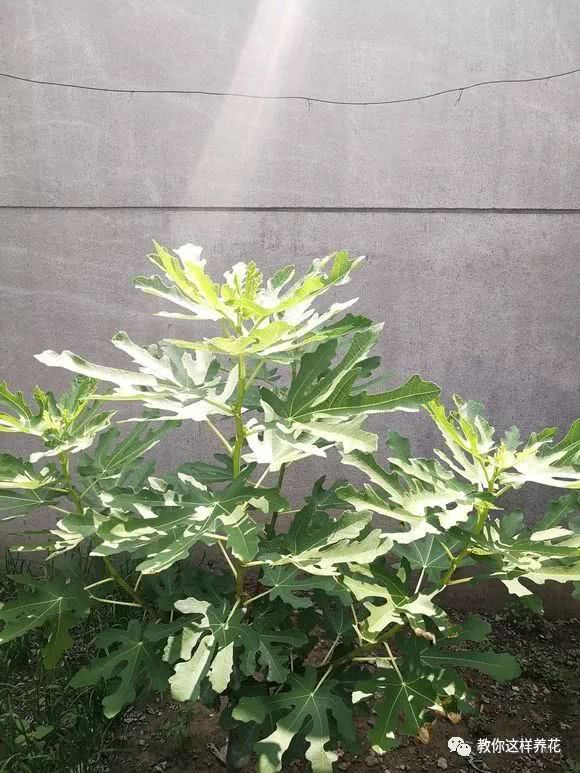
The fig tree has an elegant form and high fruit yield, and its fruit is sweet and fragrant with a pleasant taste, rich in amino acids the human body needs, vitamin C and more. It is suitable not only for planting in the yard but also for growing in pots, with a very high yield. So how should you grow figs in pots to achieve a high yield? Let's take a look!
“
Growing figs in pots"
-Figs-
In some places figs are also called "sugar buns". The fruit is especially sweet and tasty and rich in nutrients, and both the elderly and children love to eat it. Plant a little on the balcony or in the yard and it bears a great many fruit too; when you want to eat some, just reach out and pick them. Among figs, 'Brunswick', 'Green Ischia' and 'Violette de Sollies' have bright colors and large, well-formed fruit, and are very good cultivars to grow.
Figs grow fast. In spring and autumn, cut off a section of branch and stick it in the soil and it will survive. Some flower lovers also use the air-layering method to propagate some of the thicker branches, and they can bear a lot of fruit in the same year, densely packed, which is really satisfying.
However, the growing conditions during cultivation also have a considerable influence on the fruiting and growth of figs. Pay attention to the following 3 points, and your fig tree can also be covered with fruit. Let's take a look!
-Ensure plenty of light-
Figs like warm and humid climatic conditions and require plenty of light. Figs grown in a sunny spot have a noticeably higher yield than figs in a spot with partial shade.
-Ensure plenty of water without waterlogging-
The fig root system is fairly well developed, so choose a relatively large container for growing it. The bigger the pot, the more favorable it is for the growth of the fig. Generally you should also repot once about every 2 years, which helps its continued growth afterward. But fig leaves are large and the plant needs a lot of water; as the branches and leaves grow and the temperature gradually rises, the demand for water is also very high. If you do not water in time, the branches and leaves are prone to wilting and fruit drop. Generally, once the surface layer of soil is dry you can water, and water thoroughly. But there must be no waterlogging, to prevent damage from excess water. In autumn, when the fruit ripens, reduce watering; too much water will make the fruit crack.
-You can fertilize once every half month-
If you want the fig to bear a lot of fruit, fertilizer must be sufficient. When potting up, apply enough base fertilizer; decomposed chicken manure fertilizer or cow manure fertilizer can be placed at the bottom of the pot. Usually the kitchen scraps from home, melon and fruit peels, shrimp shells and bone residue can also be composted into fertilizer, and you can fertilize once every half month. The fig leaves grow bigger and bigger, dark green and beautiful, and many fruits grow on each branch.
When the figs have grown a bit bigger, you can put bags over them to prevent birds from stealing a bite. Wait until the fruit turns purplish red (some cultivars stay green the whole time) and is a little soft, then it can be eaten, sweet and tasty, so delicious!
Mouth watering?
Why not grow a pot yourself
Show it to flower lovers who need it!