With the right rose cutting method, the survival rate is high and you can easily grow several pots
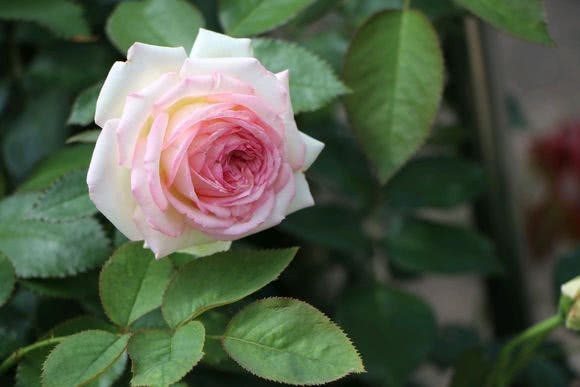
A while ago I visited a friend's home and was truly amazed by the roses all over her balcony. When I asked, it turned out they were the result of cuttings. I believe many flower lovers propagate their own plants from cuttings, but some just never take root. So today, Huahua will tell you how to take rose cuttings.
We usually prune our own roses, and the cut branches include both good and bad ones, so we must not throw them all away. Keep the healthy branches and use them for cuttings, and later you can harvest quite a few pots of roses.
First, we should choose some relatively sturdy branches, so that they will root faster later on, and they must be free of pests and diseases. Each section of branch does not need to be too long, generally around 10 cm, but it should carry two buds and two pairs of leaves, which both helps survival and promotes the growth of new shoots.
For the prepared branches, it is best to first soak them in a disinfecting solution for a while, mainly to prevent any remaining small insects on them. Then take them out and let them dry in a cool, shaded place. During this time, you can prepare the soil for the cuttings.
For our cuttings, ordinary soil, river sand, or floral foam will all work; these methods can all get them to root. Because our main goal right now is to promote new root growth, and once successful, they should be moved into pots for care.
After we insert the rose branches into the soil, we should first water them thoroughly once, then place them in a relatively cool, shaded spot for care. Generally, about every 4 days, spray water on the leaves and soil to keep a moist growing environment, and after half a month they will have rooted.
In the new flowerpot, try to use somewhat fertile nutrient soil so it can grow a bit faster. After moving it to the new pot, first leave it in the original environment for a week, then move it to a sunny spot. Remember, do it slowly, as this speeds up its adaptation.