Kalanchoe cutting tips: big white roots grow fast, and one leaf can propagate a whole pot
Kalanchoe is a flower loved by many gardening enthusiasts. Its leaves are dense and emerald green, its blooms cluster into balls, and its flower colors are rich and very beautiful. It also carries the meaning of "long life and great fortune," and can be used to decorate the home. It is an excellent choice for indoor potted plants.
When many gardening enthusiasts prune Kalanchoe, they throw away some branches and leaves, which is really a pity. Master this technique, and big white roots will sprout abundantly. One leaf is one pot!
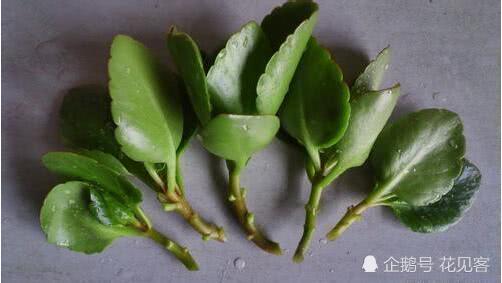
Pick out the damaged leaves from the pruned leaves, then do a simple trim, cut the wound at the head into a smooth slanted cut, and place it in a cool, ventilated place to dry, letting the wound form a thin transparent film.
According to the number of leaves, prepare a plastic box or flower pot of a reasonable size. The bottom must have drainage holes. The growing medium can use garden soil or vermiculite.
When cutting, the head of the Kalanchoe leaf can be dipped in rooting hormone to promote rooting, then insert the leaf stalk diagonally into the soil at a spacing of about 5 cm. Try to keep the leaf from touching the soil, then water thoroughly and place it in a cool, ventilated place for care. You can seal it with plastic film to simulate a greenhouse and speed up rooting and sprouting.
During the care process, maintain humidity and water every day. Roots can grow in about 15 days. When the root system grows to 3-5 cm and new buds sprout, it can be transplanted.
One more thing: every evening you can lift the plastic film to let it receive some scattered light, which helps photosynthesis and promotes rooting and sprouting. If you have aspirin tablets at home, you can crush them into powder, dissolve one tablet in 2 L of water, shake well, and pour it into the growing soil. This helps increase leaf activity, promote rooting and sprouting, and improve the survival rate.
That is all for Kalanchoe leaf cuttings. If gardening enthusiasts have other additions, you can share them with everyone in the comment section below. If you want to learn more about flower care, you can follow Huajianke!