What are the key points for growing snake plants? This one article gives you the full picture
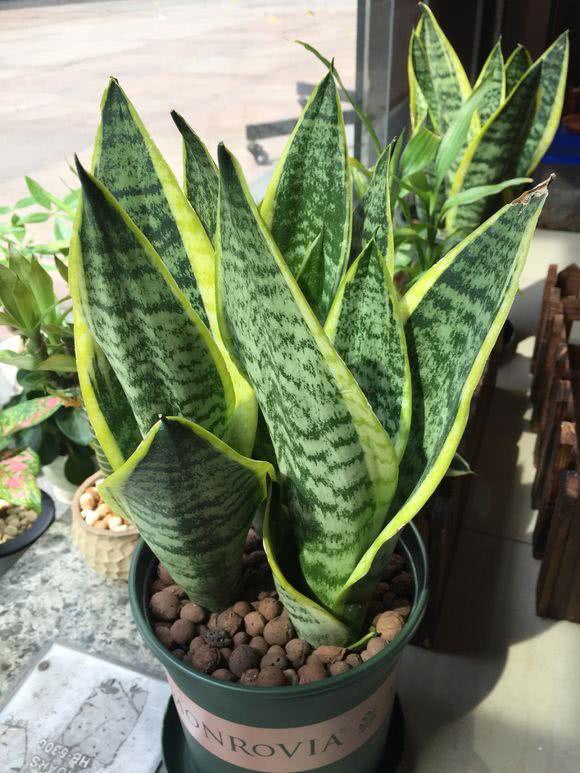
Snake plants (Sansevieria) love sun and fear waterlogging, and tolerate shade and drought. The leaves are upright and handsome, and when it blooms, a single stem bears many small pale greenish-white flowers. The fragrance is refreshing. It has low demands on the growing environment and strong adaptability. It is a particularly easy-care, essential plant for indoor offices that is grown for both foliage and flowers. It is even more suitable for newly renovated rooms and rooms with newly bought furniture; snake plants can absorb harmful gases such as methane, for a healthy body.
When growing snake plants, it is best to use a slender, tall pot, to highlight the plant's upright and elegant look, just like the pot.
The environmental requirements for growing snake plants are not high; they can generally be placed indoors, in various positions in offices that are good for viewing. At the same time, you can also move them at any time according to your own preferences, seasonal changes, plant growth conditions, and ornamental needs. This meets the grower's wishes and the plant's growth needs. But there must be good ventilation.
Soil: although snake plants have low soil requirements, to better make the snake plant ornamental, bloom promptly, and have lush leaves, it is recommended to use loose, fertile, well-drained humus acidic soil with a little fine sand. But after growing for a certain period, it must be repotted to meet its growth needs.
Fertilizer: generally, well-prepared humus acidic soil already meets the nutrient supply for snake plants for a certain period. There is no need to fertilize excessively. During flowering or the growing season, you can apply some dilute fertilizer water to the roots.
Watering: snake plants have shallow roots, few fibrous roots, and thick leaves. Their water demand is not great. They are plants that fear waterlogging but not drought. The principle of watering is to keep them dry rather than wet, and water only after the soil has dried completely. During the growth and flowering period, the potting soil can be kept moist. Do not let water accumulate, otherwise waterlogging will cause root rot. At other times, water after the soil has dried completely, in the morning or evening. Normally, you can rinse the leaf surface with clean water to keep the leaves attractive and maintain photosynthesis. This is good for snake plant growth.
For flower lovers in the north, temperature is relatively easy to manage for snake plants. In winter, indoor heating keeps the temperature from being too low, and in summer the outdoor temperature is not too high either, which is suitable for snake plant growth.
Pests and diseases: common pests and diseases of snake plants include root rot, leaf spot disease, anthracnose, and scale insects. Root rot is generally caused by overwatering and not changing the soil for a long time. You can cut off the rotten roots, change the soil, and replant, and water less. For other pests and diseases, you can simply apply fungicides and insecticides by watering or sprinkling.
Pruning: snake plants grow and develop quickly, and after growing for a certain period, the original pot and soil can no longer meet the snake plant's growth needs. At this time, repotting and pruning are needed to ensure growing space. First, cut off old leaves, diseased leaves, and overly dense leaves to ensure sunlight exposure and growing space. Then cut off excess roots to ensure nutrient supply, which is good for the growth of new shoots and leaves.
As long as you care for it attentively, you can have one pot, or even several pots, of beautiful and handsome snake plants.