The wild vegetable white caterpillar fungus looks like a worm, has high medicinal value, and makes an unsurpassed pickle
Years ago, because of the lack of refrigeration technology, many vegetables had a very short shelf life. From the moment they were pulled from the ground in summer to the moment they spoiled, in no more than a week they turned into a mushy mess. At that time, without refrigeration technology, clever people came up with the method of pickling to preserve ingredients and extend their edible period. Common examples include pickled mustard greens, radish, fermented black beans and so on. But everything has two sides. Pickled vegetables do not have the tender fresh taste they have when fresh, and because of irreversible factors such as a single type of added seasoning, the flavor is basically not very tasty.
I still remember as a child deeply detesting pickled vegetables, but among them there was one kind of pickle that was a childhood favorite. Basically, no child who had eaten it would say they disliked it. That was the one beloved by all - the earth silkworm.
Speaking of the earth silkworm, it is also a magical species. First of all, its various nicknames alone are enough to show the personal traits people praise it for.
Why is it called "earth silkworm"? It is because the part used is in the ground, and it is plump like a silkworm pupa. It is also called "sweet dew seed" because the edible part tastes as clear and sweet as sweet dew, and it got its name from that.
In addition, there are also names such as soil cordyceps, white cordyceps, white caterpillar fungus, and lung-consumption grass, all because its appearance resembles cordyceps sinensis or a white pupal worm, and the whole body is like jade, crystal clear after pickling. It is even called "earth ginseng" because its actual effect is as a Chinese herbal medicine. Just look at these names and you can tell how much people cherish it.
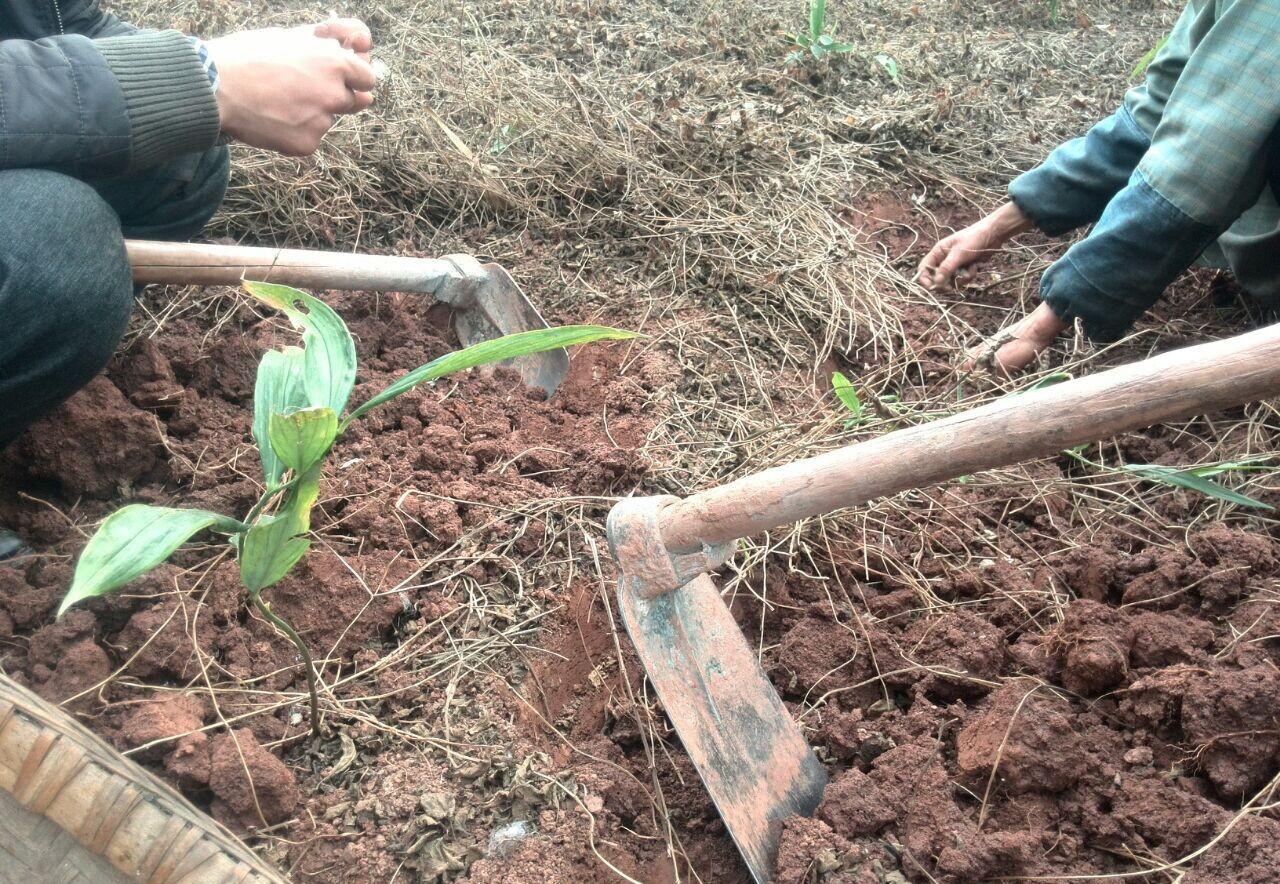
However, it is not only in China. In Japan, because its whole body looks like white jade, its high appearance makes it an imperial dish eaten on festivals. Heading west, it became popular all the way to the other side of the ocean, overwhelming all others as the "Chinese artichoke." Yet despite being so popular, it lives without being at all fussy, and can be seen in many places across the country, growing along rural paths and in wetlands. In appearance, because it is a plant of the Lamiaceae family, farmers can recognize it at a glance. As a pickle, it suits young and old alike. It is crisp when bitten, tender and juicy with a slight saltiness, but then a burst of clear sweetness follows, with an excellent texture. Also, because of its unique shape, children love to eat it and play with it.
Besides its external appearance and excellent taste, its identity as a Chinese herbal medicine has also always shone. It is effective for common wind-heat colds, deficiency-consumption cough, strangury, and sores, toxins, swelling and pain. However, remember never to eat it raw. It can be stir-fried or stewed as a dish. Of course, making it into a pickle is even more unsurpassed. These days farmhouse entertainment is all the rage, right? When traveling in the countryside, ordering a dish of "earth silkworm" is not a bad idea at all.
Friends, did you dig up earth silkworms when you were children? What do you call it where you are from? You are welcome to leave a message and share!