Pumpkin vines grow vigorously but bear no fruit, worrying growers sick
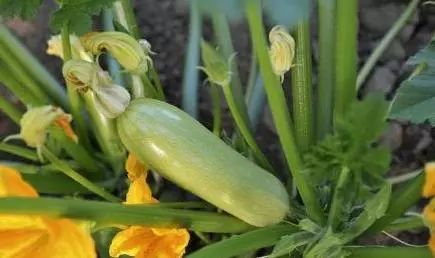
Pumpkins are called wogua in our area; whether cooked in dishes or boiled in porridge, they are a very good ingredient. The vines grow like crazy but bear no pumpkins - what to do? This voices the confusion of many pumpkin growers - how exactly can pumpkins be made to bear fruit? But Science Xingnong believes that when we encounter problems in the production process, the first thing to think about is what causes the problem, and only after that should we analyze the problem and look for solutions.
So then, Science Xingnong will walk everyone through a summary of the reasons why pumpkins do not bear fruit and how to deal with each of these reasons.
Reasons pumpkins do not bear fruit:
First, insufficient nutrients. When pumpkins grow to a certain stage, if the ambient temperature is suitable, they begin to flower and set fruit. If they only flower without setting fruit, and the flowers wither without producing pumpkins, the most common reason is insufficient nutrients. Just think - if the pumpkin itself is under survival pressure, how would it have the energy to reproduce the next generation?
Second, too much nitrogen fertilizer, causing excessive vegetative growth with no reproductive growth. The vines grow thick, strong and dense, yet no flowers or fruit appear. This has a great deal to do with improper fertilization causing excess nitrogen.
Third, insufficient sunlight. Pumpkins are a sun-loving crop; with ample light they grow well, and the fruit develops and grows quickly with good quality. If the vines are too dense and block the light, this is unfavorable for pumpkin flowering and fruiting.
Fourth, unsuitable temperature. The suitable temperature for pumpkin growth and development is 18 to 32°C; flowering and fruit growth require above 15°C, and the optimum temperature for fruit development is 22 to 27°C. Within the optimum temperature range, low-temperature conditions favor the formation of female flowers. Fifth, insufficient pollination. If the sperm and egg never meet, how can the next generation be produced?
In response to the above reasons, the following measures can be taken for prevention and control:
First, for the reason of insufficient nutrients, we can fertilize in a balanced way. When planting pumpkins, the base fertilizer should be mainly organic fertilizer, combined with a nitrogen-phosphorus-potassium compound fertilizer. Use about 3000 kg of organic fertilizer per mu, plus about 15 kg of nitrogen-phosphorus-potassium compound fertilizer. For topdressing, use mainly quick-acting nitrogen fertilizer, combined with phosphate fertilizer and potassium fertilizer. During the seedling stage, topdress mainly with nitrogen fertilizer, and during the fruiting stage supplement nitrogen, phosphorus and potassium fertilizers at the same time.
Second, for excess nitrogen fertilizer, we can prevent and control it by appropriately increasing the application of phosphate fertilizer and potassium fertilizer. In addition, to prevent vine overgrowth caused by too much nitrogen fertilizer, we can use tip pinching, or cut slits at the root and insert substances that can absorb auxin, such as charcoal or agarose.
Third, for insufficient sunlight, we can improve the situation by building trellises for the pumpkins and removing old leaves and yellow leaves.
Fourth, for unsuitable temperature, we can improve the situation by strengthening the temperature and humidity management of the greenhouse. If there is no greenhouse, fertilizer and water management can be adjusted according to weather conditions, delaying or advancing the reproductive growth of the pumpkins so that they flower and set fruit at the most suitable temperature.
Fifth, for insufficient pollination, we can use artificial pollination by holding a male flower from a different plant against a female flower and removing it after three days. We can also place an appropriate number of bees in the greenhouse to help with pollination.