What to Do When Christmas Cactus Leaves Become Soft and Wilting? Causes and Solutions
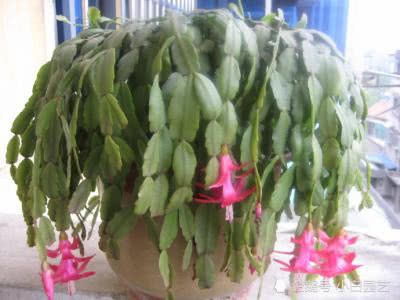
The Christmas cactus (Schlumbergera) is widely loved by flower enthusiasts and is a common flowering potted plant in our homes, but many flower lovers find that its leaves become soft and wilted when growing it. Today, the editor will introduce the causes of soft leaves and their solutions.
Yellowing leaves are mainly caused by the following reasons:
1. Root rot
Root rot will cause the Christmas cactus leaves to turn yellow. We should observe whether the area where the plant's roots meet the soil shows yellowing and rotting; if observed, the plant may already have root rot. It needs to be dealt with promptly.
Treatment method:
If root rot occurs, promptly cut off the rotted parts, disinfect them, and then transplant.
If there is no root rot, we should be careful to water less and strengthen light exposure, so that the Christmas cactus can slowly recover to health.
2. Improper watering
Overwatering causes water accumulation in the pot, affecting the plant's growth and possibly leading to root rot. Watering too little or too dry causes the plant to lack water, making the Christmas cactus flesh dry out and the leaves become soft.
Treatment method:
If you accidentally water too much, promptly place the Christmas cactus in a well-ventilated spot, loosen the soil, and enhance air circulation in the soil so the water evaporates.
If it lacks water, just water according to the principle of "water when dry, stop when wet."
3. Light too strong
The Christmas cactus is a short-day plant that prefers half-shade, half-sun scattered light and cannot tolerate direct sunlight. Therefore, if it is often exposed to the sun without shading, the Christmas cactus leaves will turn yellow and become soft.
Solution:
During care, pay attention to shading, maintain good ventilation, and frequently spray water on the stem surface to avoid the segments becoming soft.
4. Whether it is in a dormant period
Generally speaking, the Christmas cactus has two dormant periods: the summer dormant period and the post-bloom dormant period. The Christmas cactus grows slowly and the leaves appear wilted, which is a normal phenomenon.
Solution:
Water appropriately, no need to fertilize, and wait until the soil surface is slightly dry before watering. Frequently use a spray bottle to spray around the stem segments.
After passing through the post-bloom dormancy, the Christmas cactus will sprout new stem segments from the base of the stem and from the cut sections, and then you can water and fertilize.
5. Pest damage
Mealybugs are a common pest of the Christmas cactus, causing the stem joints to wilt and yellow and the leaves to wilt and fall off. Therefore, carefully observe whether there are actually insects on the leaves; if there are, use a small bamboo strip to scrape off the insects, focusing mainly on removing the pests without causing too much harm to the Christmas cactus.
Solution:
1. If mealybugs are found, use a cotton swab or a brush dipped in alcohol to wipe them off.
2. Use diesel, laundry detergent, and water in a ratio of 10:0.6:6 to make a stock solution; at this point the liquid is milky. After diluting with water to contain 30% of the solution, spray carefully on the insects.
3. Use common insecticides such as "Hua Shen" (Flower Protector God), dilute with water at a ratio of 1:200 according to the instructions and spray; after one week, spray once more and there will basically be no more insects.
The editor has listed almost all the causes of Christmas cactus leaves becoming soft and wilted, as well as the solutions. I hope it is helpful to flower enthusiasts in growing Christmas cacti.