This flower blooms more the hotter it gets; with the right method, it bursts into a pot full of vivid blooms
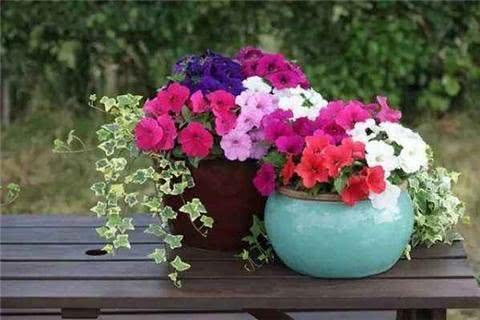 Summary: It's that season again, with temperatures steadily rising. For most people, this weather without an air conditioner or fan is simply torture, but for these few flowers it is truly a good season; at this temperature, in this season, you can propagate and breed them by cuttings.
When the temperature is high, this flower likes it even more; as long as the method is right, the flowers bloom vividly and fill the pot
Taking cuttings of morning glory stems
Many people have a general idea about cutting techniques, but choosing the cutting branch is still very important; you cannot just snip off any segment at random. First, choose the morning to take the cutting, and select a thick, robust branch grown this year. When cutting, also pay attention to the length we choose to cut, about 10 cm is recommended. Also make sure the cut surface is flat, and clean off the excess leaves, keeping only three to four leaves at the top of the branch. This ensures the branch will not lose water too quickly. After trimming, place it in a cool, shady spot.
Choosing the potting soil
Next is preparing the flower pot and the growing soil. For the soil, it is recommended to choose a soil with good air permeability, such as leaf mold, pine needle soil, coarse sandy soil, or perlite. The reason for choosing this kind of soil is to ensure the potted plant will not suffer from water accumulation during growth. If the wrong soil is chosen and water accumulation occurs, the potted plant being grown will face root rot.
Handling the details
After choosing the flower pot and soil, it is time to carry out cutting propagation. First, insert the trimmed flower stem vertically into the prepared flower soil; the insertion depth is recommended to be about 3 cm. At the same time, after inserting, gently press the soil around the insertion point to ensure it does not fall over or root slowly because the soil is too loose.
At the same time, when transplanting, also pay attention to the use of flower fertilizer. First put a layer of base fertilizer at the bottom of the flower pot, then cover the base fertilizer with leaf mold, to ensure a continuous supply of nutrients after transplanting and cutting, which speeds up rooting after cutting. Generally, in about one month the roots have basically finished rooting. During this period, also pay attention to watering when the soil is dry, and spray the leaves to replenish water and ensure the potted plant has sufficient moisture.