Make your own nutrient solution to grow snake plants (Sansevieria), and they will reach over 1 m tall with many flower buds
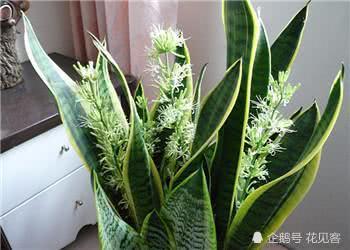
The snake plant (Sansevieria) is an excellent foliage houseplant, with leaves that grow in upright clumps, thick and leathery, and each leaf bears irregular dark-green cloud-like horizontal bands, closely resembling a tiger's tail, very beautiful.
For caring for snake plants, today Hua'er will introduce to everyone: water them with this homemade "nutrient solution", and they will shoot up over 1 m tall in no time, with flower buds popping out everywhere!
Summer is the season of abundant watermelons, a favorite of many people, and watermelon rind used for growing flowers is the best nutrient solution, rich in nutrients, and it can also improve the acidity and alkalinity of the soil, promoting the growth and flowering of snake plants, for the best ornamental quality.
Specific method: collect some watermelon rind, remove the red flesh and the outer skin, then cut it into small pieces, then put them into a large container (with a lid), then add clean water, keeping the ratio of watermelon rind to water at 1:3, add some insecticide to speed up fermentation, screw the lid on halfway so it can breathe a little, then put it under the sun to bake, in summer after about 20 days the "nutrient solution" will be fully fermented.
When using it, first filter out the rotten watermelon rind, then dilute it 20 times and pour it into the potting soil, watering once every 7-10 days, and it will make the snake plant's leaves grow vigorously, with flower buds shooting up nonstop.
Other care for snake plants:
The snake plant is a desert plant and has a certain drought tolerance, so it should not be watered too frequently, otherwise the leaves will turn white, and in severe cases the roots will rot. In summer's high temperatures, water evaporates quickly, so you can spray more water on the leaves and around them, to increase humidity, lower the temperature, and prevent the leaf tips from drying out and the leaves from turning yellow.
It relatively prefers light, but avoids direct strong light, which will make the leaves darken and turn white, and in severe cases burn the leaves. You can judge from the condition of the leaves whether the light is sufficient or too strong; in summer it is best to move it to a cool, bright place for care, to maintain higher ornamental quality.
That is all for the care of snake plants. If fellow flower lovers have other additions, you can share them with everyone in the comment section below. If you want to learn more about flower-growing knowledge, you can follow Huajianke!