Master these orchid fertilizing tips and the leaves will grow vigorously, lush green and glossy, with flowers covering the branches
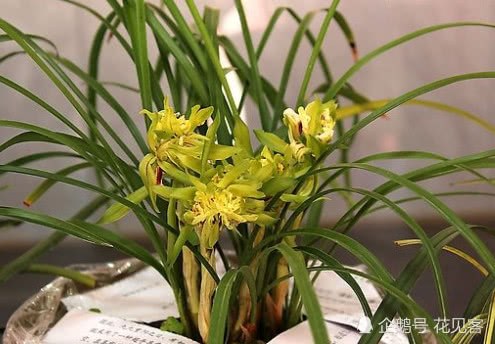
Orchids are a flower loved by many gardening enthusiasts, and watering is often the big problem in growing orchids well. In fact, fertilizing is equally important. If done poorly, it either burns the roots or causes poor growth, and this is something watering cannot make up for.
So when growing orchids, you need to master these fertilizing tips for lush green glossy leaves and flowers covering the branches!
Orchids need different amounts of fertilizer at each stage, which can be roughly divided into the seedling stage, the growth stage and the mature stage.
At the seedling stage, the goal is to get them established quickly, so they can quickly take root and sprout and grow. Therefore, the demand for nitrogen is relatively high, but the root system is fragile and easily damaged, so you should apply light fertilizer frequently. You can apply some diluted urea, which has high fertilizer efficiency and is absorbed quickly, allowing rapid growth.
During the growth stage, nutrition needs to be balanced. At this stage, organic fertilizer is generally the main choice, which not only allows continued growth but also prepares for flower bud differentiation and blooming. You can apply some fermented rice-washing water, fish intestine water, etc., or bury some bone meal or worm castings into the potting soil to support overall growth.
At the mature stage, phosphorus and potassium fertilizers should be the main choice, and nitrogen fertilizer should be applied as little as possible or stopped. You can apply a dedicated nutrient solution, then use diluted monopotassium phosphate for foliar feeding, making the leaves even more lush green and glossy, the flowers bloom more vigorously, the floral fragrance stronger, and the flowering period longer.
When fertilizing, pay attention to 2 points:
1. The best time to fertilize is in the evening. On the day of fertilizing, water first in the morning, then water again the next day. This allows the orchid to better absorb nutrients and causes less damage to the root system.
2. When fertilizing, do not get too close to the head, as this will damage the pseudobulbs and affect flower bud differentiation and leaf growth.
That is all for orchid care. If you have other additions, gardening friends, you can share them with everyone in the comments section below. If you want to learn more about flower-growing knowledge, you can follow Flower Fairy!