This cornfield weed was once hated by farmers, but now it is so valuable it earns more money than corn
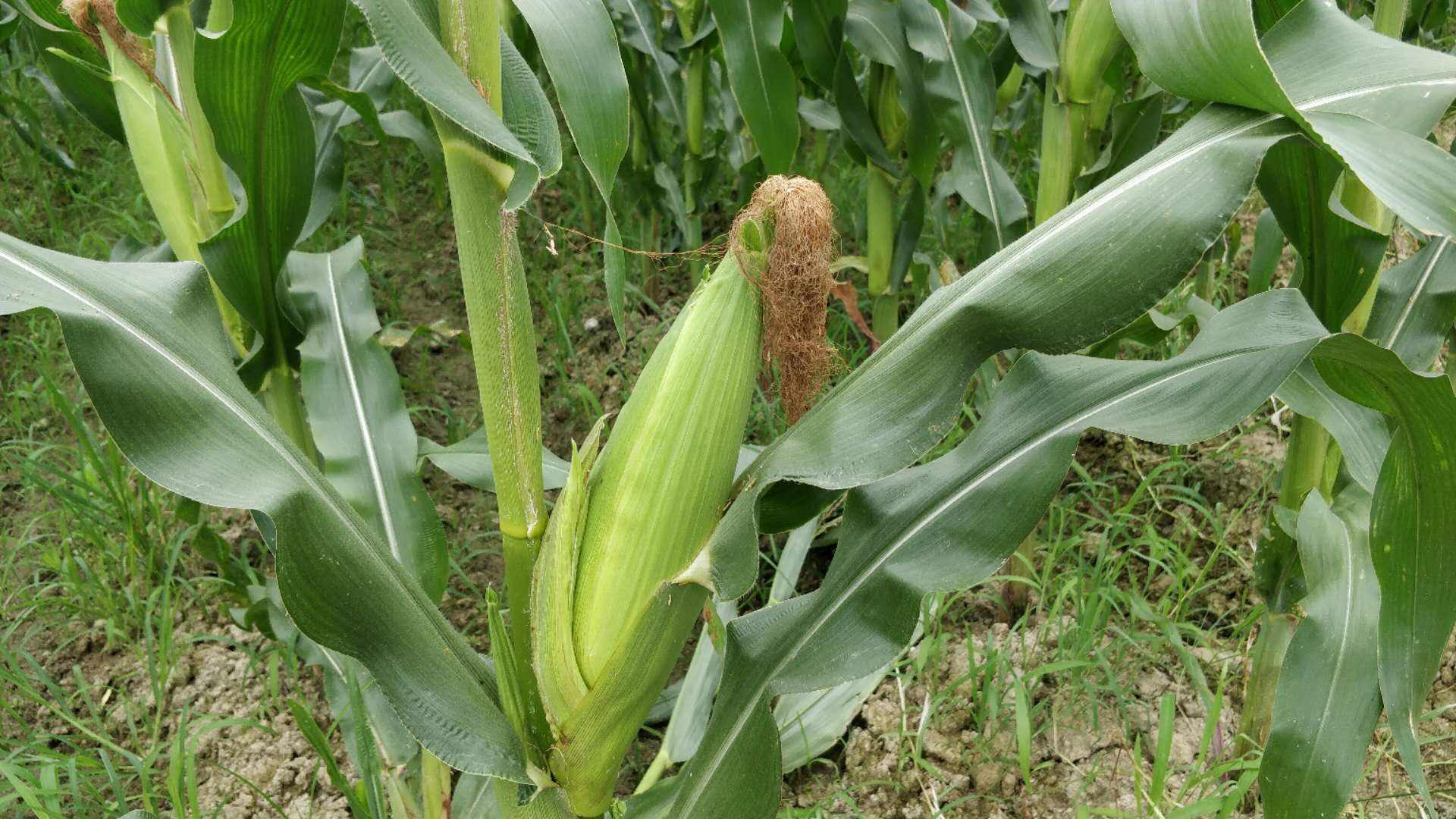
Many wild grasses grow along the edges of rural fields. As for these plants growing by the fields, most farmer friends actually say they hate them, since these wild grasses affect crop growth, and some are especially hard to remove, impossible to kill even with herbicides, which gives many farming friends a real headache. Below, the author introduces one such plant. It is an extremely hard-to-remove wild grass that was once a major "pest grass" in rural areas, yet now it has become a hot favorite in the eyes of some farmer friends.
Speaking of this wild grass, it is very common in rural fields. It is found in rural areas of almost every province and city across our country, and it especially likes to grow in farmland; cornfields in particular are where it often grows. This wild grass is also extremely difficult to remove; you could say it is deep-rooted. As long as even a little is left behind, the next year it will immediately grow into a patch and continue harming corn and other crops.
Therefore many farmer friends have crowned it the "king of pest grasses", which shows how much farmers hate it. This wild grass is "nutgrass" (Cyperus rotundus), and in the author's hometown it is also called tuxiangcao, zhumaqing, and sanlengcao.
Many friends who have lived in rural areas have probably seen nutgrass and should know this wild grass. Many people hate it, but many people may not know that although nutgrass is very troublesome, its value is extremely high.
The author used to go to the fields to help his parents weed, so he also hated this wild grass. But a few days ago, when he went to help his third uncle pick corn in his cornfield, he found that every field ridge in the cornfield was covered with nutgrass. He was very curious why his third uncle did not remove them. His third uncle said, do not underestimate these nutgrass plants; they are very valuable now, earning more money than corn.
After asking around, he learned that nutgrass is actually a very good Chinese medicinal herb.
Many friends, like the author, are probably very curious about what value nutgrass has. How could it be worth more than corn?
In fact, the value of nutgrass lies in its medicinal value. The stems, leaves and roots of nutgrass all have medicinal value.
According to his third uncle, the stems and leaves of nutgrass have the effects of moving qi and relieving depression, dispelling wind and stopping itching, and broadening the chest and resolving phlegm. They can be used for symptoms such as chest tightness and discomfort, rubella itching, and sores and swellings. Its roots are called "xiangfuzi" in Chinese medicine and have the effects of soothing the liver and relieving depression, regulating qi and easing the middle, and regulating menstruation and relieving pain. They can be used for symptoms such as liver depression and qi stagnation, distending pain in the chest and hypochondrium, hernia pain, breast distending pain, spleen-stomach qi stagnation, and irregular menstruation.
It is also because of these values that nutgrass and xiangfuzi are very popular in the Chinese medicinal herb market. That is why his third uncle intercropped xiangfuzi in the cornfield. As long as it is managed well, he can harvest not only corn but also nutgrass and xiangfuzi. His third uncle said that if the returns are good, the annual income from xiangfuzi can reach about 6,000 yuan per mu, which counts as a double harvest.
These days it is not easy for farmers to work the land, and what they fear most is natural disasters affecting the harvest, so they can only think of more ways to intercrop some other "cash crops".
Dear friends, do you know about nutgrass and xiangfuzi? Do you know any other wild grasses that also have such value and can be intercropped with crops? You are welcome to leave a message and share!