Grow ivy this way and it grows incredibly fast, covering a wall in just one month
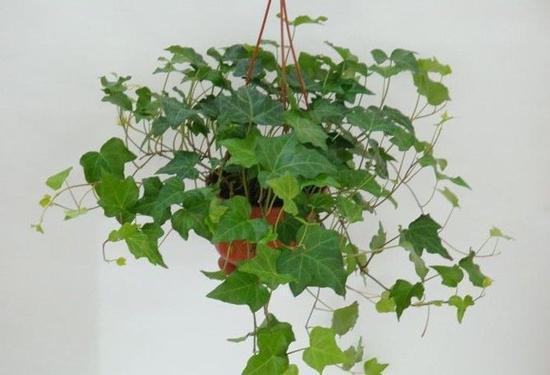
Ivy is a typical shade-tolerant evergreen climber that likes warm, humid conditions and grows in sunny environments. It is not tolerant of high temperatures or cold, and has strong climbing ability. It is quite suitable as a houseplant for ornamental purposes, and of course the most important point is that its cultivation process is relatively simple and does not require much effort from us.
Ivy is easy to cultivate and likes to grow in high-temperature environments. During the growing season, keep the soil in the pot and the air humid. In other seasons, water only when the soil is dry. The cultivation temperature is around 16 to 25°C, and good ventilation is needed. Especially when placed indoors, maintain air humidity. In winter, control watering and let the potting soil dry out somewhat.
Soil: Ivy is not picky about soil, but it is best to use loose, fertile, well-draining, breathable, humus-rich, slightly acidic sandy cultivation soil. It is best not to use alkaline soil that easily compacts.
Light: Ivy likes plenty of light and is shade-tolerant. It is suitable for placement in a sunny environment. Avoid harsh sun exposure. Normally it should be placed in a sunny, ventilated spot, and shaded when necessary. Prevent the harsh sun from scorching the branches and leaves. Indoors, it can be placed on a south-facing windowsill to receive more sunlight, so the plant's branches and leaves grow properly. The branches and leaves will be lush.
Watering: During the growing season, pay attention to keeping the potting soil moist and water once every 1 to 2 days. But control the amount of water well so it does not become waterlogged, which causes root rot. In winter, just water when the soil is dry.
Fertilizing: Ivy quite likes fertilizer, and during the watering period it needs a supply of nutrients. Apply compound fertilizer or organic fertilizer about every half month. At other times, apply diluted thin fertilizer water about once a month. In winter, no fertilizing is needed.
Cuttings: Generally I take several branches about ten centimeters long, keep a few leaves on each branch, and insert them into cultivation soil placed in the lower half of a mineral water bottle with a few holes drilled in the bottom to help with drainage. Water thoroughly and place in a spot with scattered sunlight, gradually reducing the amount of watering. Control the temperature well, and in about one month they will take root and sprout and can be transplanted into flower pots.
Pruning and shaping: For ornamental plant bonsai, add supports so that the ivy can climb within a certain range. After buds break in spring, remove buds and pinch off the growing tips to encourage branching. During the growing season, keep pruning to promote the growth and development of branches and leaves. Gradually prune it into the upright bonsai style you like. For a hanging bonsai style, the branches, tendrils and leaves should hang down naturally. Cut off overly dense branches and weak, diseased branches, keep some robust branches, and pinch off growing tips and remove buds at any time to encourage side branches to develop, forming a bonsai with branches, tendrils and leaves hanging down naturally and elegantly, full of movement.