Making miniature bonsai is actually not difficult at all; the method is simple and easy to pick up
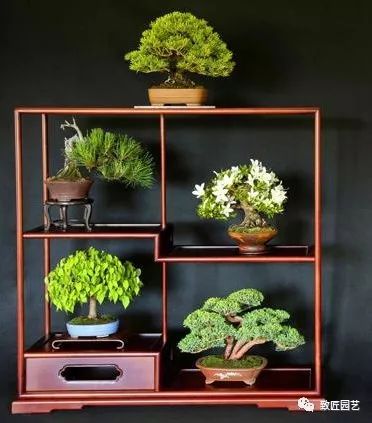
A miniature bonsai is mainly composed of flowers and grasses, embellished with small features such as rocks, and is increasingly used in garden design, landscape creation and home display. It mostly uses stone iris, asparagus fern, saxifrage, spider plant, orchids, evergreen, narcissus, chrysanthemums, banana plants, reeds and other wild flowers and grasses. Miniature bonsai emphasize a small form and an exquisite, unique shape, and pay even more attention to the connotation of overall artistic beauty. The various ornaments of each small bonsai group need to show different forms, with attention paid to the overall layout. With a balance of gathering and scattering and a prominent theme, it finally achieves the maker's artistic conception and aesthetic taste, and this is where the vitality of miniature bonsai art lies.
Simple method for making miniature bonsai
Step 1: Decide on the placement position
According to the container, place the plant's roots. Usually it is not placed in the very center, otherwise it is too rigid and lacks liveliness
Step 2: Fill with soil
Fill soil into the gaps between the roots.
Step 3: Shape and style
Deal with the root fibers above the soil,
Step 4: Spray water
Add soil while spraying water,
so it will be fixed more firmly
After the soil is placed, continue spraying water.
Moist soil is good for applying moss
Moss can cling better to the surface of moist soil.
Step 5: Apply moss
Find some moss and collect some to keep in a glass dish.
When applying moss to the soil surface, you can select it in small pieces,
leaving gaps appropriately; after being grown for a while, the moss will aggressively cover the entire surface.
If there are different types of moss, the layers will be richer.
Step 6: Complete
You must carefully care for the plants in the pot every day.
Miniature bonsai care methods
The care of miniature bonsai is rather special and requires greater precision and care. The following are six methods for miniature bonsai care:
1. Deal with the branch clusters
For a miniature tree crown, fewer branch clusters should be kept so as to reveal the grace of the trunk as much as possible, and the retained branch clusters should be appropriately shortened to make them proportional to the trunk.
2. Prevent leaves from turning yellow and falling off
Because miniature bonsai has a small pot and little soil, in summer water is often in short supply, so leaves are prone to scorching yellow and falling off. To avoid yellowing and falling leaves, in addition to leaving a rim when potting and frequently paying attention to watering and spraying in midsummer, you can place a brick in a large or small basin or a shallow water pool, add water until it just submerges the brick surface, and then place the small bonsai on the brick to grow.
3. Timely prevention and control of pests and diseases
When damage from various leaf spot diseases, aphids, red spider mites, scale insects and other pests and diseases is found, manual removal or pesticide spraying should be carried out immediately.
4. Give appropriate light
Miniature bonsai is often displayed indoors, and if it does not see sunlight for a long time, it easily leads to poor growth and development. Therefore, in the spring and summer growing seasons, the time placed indoors and outdoors should generally not exceed one week, and at other times it should be placed outdoors in a semi-shaded environment for care.
5. Water and fertilizer should be appropriate
A lack of water in miniature bonsai easily causes leaves to scorch yellow, but too much watering easily causes root rot, so watering should be appropriate. If fertilizer is applied excessively, it will cause small branches to grow leggy and the tree shape to be destroyed, but if fertilizer is seriously insufficient, the leaves will be poor, pale and lusterless. Therefore, "apply thin fertilizer frequently" and pay attention to using an appropriate amount.
6. Timely pruning and repotting
Newly grown long branches should be shortened in time to maintain an appropriate proportion with the trunk. Repot once every 1 to 2 years; for deciduous types, do it in early spring before budding, and for evergreen types, do it after spring budding or when it is cool in autumn.
Wonderful content