These 2 kinds of watering water are toxic water; water one pot and it dies, never ignore this
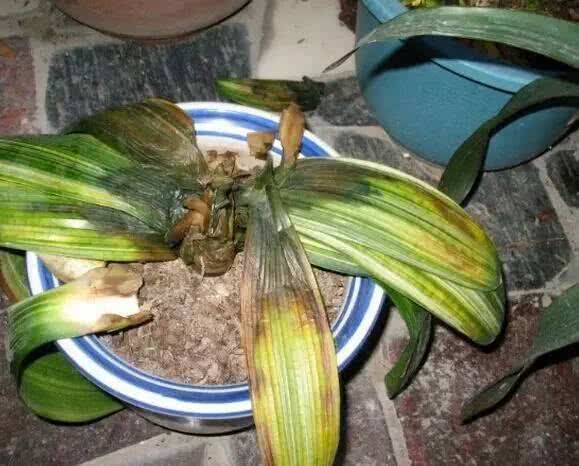
Every gardener knows that "growing flowers is three parts fertilizer and seven parts water"; only when watering is done well will flowering potted plants look good. Many beginner flower lovers kill their plants as soon as they start growing them; plainly put, it is all caused by not knowing how to water. Either watering too often, causing waterlogged roots to rot, or watering too little, causing cells to shrivel and burst.
Watering flowers is a field of knowledge, and there are many finer points to it. Do not underestimate watering; when growing flowers, you must learn more about watering. Next, I will share with you the details to pay attention to during watering. For example, these "2 kinds" of water cannot be used in summer; they are no different from "toxic water." Once used, yellow leaves and root rot will appear.
The first kind of water: rice-washing water, water used to soak beans, soy milk, etc. that have not undergone "fermentation" cannot be used to water flowers
Although many flower lovers have heard that rice-washing water is very useful for watering flowers, it can not only provide nutrients to flowering potted plants, but also lower the pH of the soil, making the potting soil slightly acidic, which is good for the growth of acid-loving flowers. However, rice-washing water also requires attention when used.
If used poorly, rice-washing water can become "arsenic." Why say that? Because rice-washing water only exerts its value after fermentation. Unfermented rice-washing water, after being poured into a flowerpot, begins to ferment, and at this time it releases a large amount of heat, which directly causes root burn. Root rot and yellow leaves will soon appear.
In addition to rice-washing water, water used to soak beans and soy milk all need to be fermented before use. Indeed, these things are very practical for growing flowers, but we must also prepare them according to the actual situation. Only in this way will these little tips not harm the flowers, and we will not mistakenly think the tips do not work. Besides the water above that cannot be used, there is also a second kind that cannot be used.
The second kind of water: water that is too hot or too cold cannot be used to water flowers
For every kind of flowering plant, although their growth habits differ, most need an optimum growth temperature between 10-30°C, and this is also the temperature needed by the roots and potting soil. If water that is too cold or too hot is poured, the temperature of the potting soil will change instantly. When the temperature difference is large, the cell walls of the roots will be unbalanced inside and outside, and will naturally rupture, directly affecting the absorption of nutrients and even water. Over time, root rot and yellow leaves will occur.
Especially in summer, although the weather is hot, cold water especially should not be used; rather, warm water should be used, and it should not be watered at noon. At noon, the potting soil temperature is too high, and watering causes an even greater temperature difference, which is not good for root growth.
That is all for sharing knowledge about watering flowers. Thank you for reading!
Remember to like and share~