Using it to root clivia is becoming more and more popular, and it is more practical than rooting powder
More and more gardening enthusiasts are growing clivia. This flower blooms in bright, elegant colors, and growing it in the living room is not only beautiful but also carries good meaning, symbolizing good fortune in the home and the gentlemanly character of the owner. Clivia is not easy to care for. If you want to grow it without yellowing leaves or stuck flower stalks, you have to master some techniques.
Although clivia is not easy to grow, after growing it for a long time you will naturally pick up some little tricks, such as watering clivia with beer mixed with water to prevent stuck flower stalks, or spraying it with monopotassium phosphate to prevent yellowing leaves, and so on. In daily care, besides paying attention to fertilizing, watering and light, "rooting" is also a key point. Wanting clivia to root quickly and have a high survival rate is also a skill.
Many gardening enthusiasts use "it" when rooting clivia.
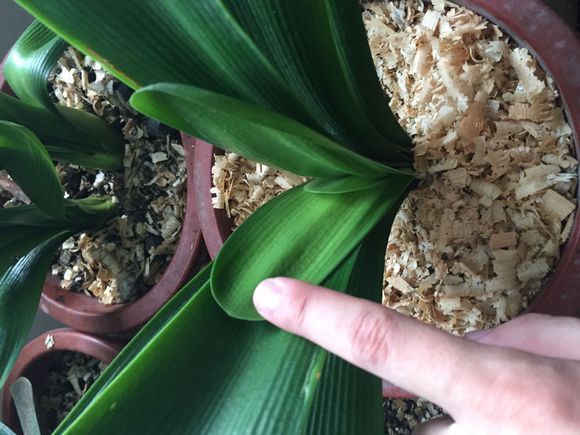
The picture shows the clivia of Baohan003, a gardening enthusiast from the Northern Clivia forum. Can you tell what is in the flowerpot? That's right, it is "wood shavings". Why can wood shavings promote clivia "rooting"?
It is actually quite simple. Wood shavings and sawdust have a very good heat-preserving effect. If clivia is to root quickly, it must be in a warm and breathable environment. At this time, it is most conducive to root callus formation and activation. This method of using wood shavings to root is indeed effective in the eyes of experienced gardeners. Besides wood shavings, straw can also be used as a substitute. Some gardening enthusiasts even use sunflower seed shells as a substitute.
Image source: Northern Clivia forum, gardening enthusiast: Lantian Junzilan 0
In the flowerpot of the gardening enthusiast above, sawdust and small wood shavings were also used. As the saying goes, "to grow flowers, first grow roots", especially for a flower like clivia with a well-developed root system. If the roots do not grow well and rot, it will directly cause yellow leaves and spots, and in severe cases it will also affect stalk emergence and blooming.
If you want clivia to root quickly, there is another method, which is to soak the roots of the clivia in willow twig infusion or aspirin solution.
Why can "willow twig infusion" and "aspirin solution" promote rapid rooting of clivia?
The reason is simple. Both of these things contain the same substance that can promote plant vitality and fertilization: salicylic acid. It is an activator for plant rooting and growth. The main ingredient in the rooting powders sold on the flower market is salicylic acid extract. Whether it is willow twigs or aspirin, both are very common in daily life, and making it yourself can also add fun.
The specific procedure is: cut willow twigs into small sections, then soak them in water for 5 hours, and the filtered liquid is a "natural rooting agent". Aspirin can simply be placed in water to dissolve.
More and more gardening enthusiasts no longer buy clivia, but instead propagate it themselves by cuttings and transplanting. The highest requirement for this is rooting. It can be said that if you master the techniques for rooting clivia, then you can easily grow hundreds of pots of clivia in a month. In fact, the techniques for rooting clivia are far more than just these few. Experienced gardening enthusiasts can share them in the comments below so that other gardening enthusiasts can learn from them.
That is all for sharing the knowledge about rooting clivia. Thank you for reading! Remember to like and share~