Grapes: Use 5 Key Fertilizer Applications Well, and the Fruit Will Grow Large and Dark
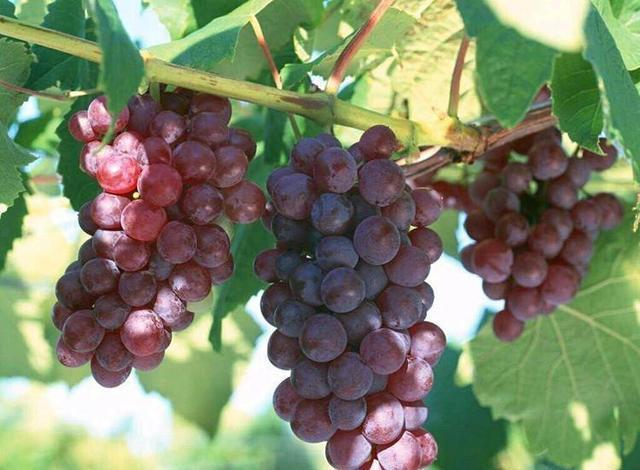
Many gardening enthusiasts grow grapes on their own balconies, but the fruit they get is always sparse and not plentiful enough. How should this be handled? In fact, when growing grapes, fertilizer and water management affects tree vigor, yield and quality, and also influences the harvest of the following year, so fertilization must be done carefully, and the 5 key fertilizer applications must be used well.
1. Bud-breaking fertilizer
Generally applied before grape buds break, mainly nitrogen fertilizer, to encourage grapes to sprout uniformly, produce thick and large leaves, and large and strong flower clusters. If the tree is vigorous and spring is not dry, fertilization should be avoided to prevent excessive growth of new shoots.
2. Berry-swelling fertilizer
Apply after the grapes set fruit, when the berries are from mung bean to soybean size. Mainly nitrogen fertilizer, with phosphorus and potassium fertilizers as well. The amount should be large. It is generally recommended to use an organic liquid fertilizer specially for fruits and vegetables, diluted 500 times to water the roots, once a week, which can achieve a very good fruiting state.
3. Ripening fertilizer
20-30 days before the grapes mature, apply potassium sulfate; apply it once more when the grape berries begin to soften and have not yet colored.
4. Post-harvest recovery fertilizer
After the grapes are harvested, promptly apply 1 application of monopotassium phosphate to restore tree vigor, promote flower bud differentiation, and lay the foundation for a bumper harvest the following year. The concentration is generally preferably 0.5%, and it must not be too strong, as this affects grape flower bud differentiation.
5. Overwintering fertilizer
In August-September, apply after the grapes are harvested, mainly organic fertilizer, plus calcium fertilizer and a small amount of nitrogen, phosphorus and potassium fertilizers. This encourages the grapes to grow a large number of fibrous roots, so as to strengthen tree vigor and help them overwinter.