Although roses are heavy feeders, there are ten situations in which you should not fertilize
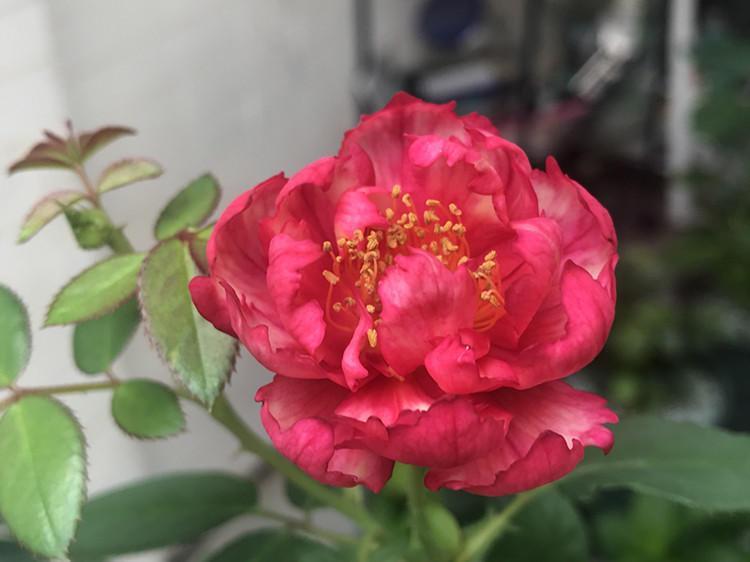
Roses are truly "gluttons." Why do we say that? Because they are fertilizer junkies, addicted to feeding, genuine "heavy fertilizer users." However, when it comes to care, gardening friends should not overgeneralize. Under certain special circumstances, roses do not need fertilizing. Pay attention to these "ten no-fertilize situations."
1. Do not fertilize newly planted rose plants
Because newly planted rose seedlings have many wounds. If affected by other external factors, especially the stimulation of fertilizer, the wounds cannot heal and may even cause root rot. The general recommendation is that for newly planted roses, after 7 days of acclimatization, use rose-specific organic liquid fertilizer diluted 500 times to water the roots, once every 7-10 days.
2. Do not fertilize during the flowering period
Fertilizing roses during the flowering period can very likely cause bud drop and flower drop. Therefore, fertilizing is generally not recommended. If you want to promote flowering, you can apply phosphorus fertilizer before blooming.
3. Do not fertilize on cloudy and rainy days
On cloudy and rainy days, the air humidity is high, and the soil moisture of potted roses is high. The ability of roses to absorb and retain fertilizer is poor. Fertilizer is easily lost, and it easily causes excessive growth of branches and leaves, inducing pests and diseases. Therefore, it is recommended to fertilize in the evening on a sunny day, and the next morning use a spray bottle to "return water" once to promote absorption by the roses.
4. Do not fertilize during the dormant period
During the dormant period, roses grow relatively slowly. If you fertilize roses at this time, it will break dormancy and cause the plants to continue growing, consuming more nutrients and affecting the next year's flowering.
5. Do not fertilize directly under the root crown
Fertilizing directly under the root crown of roses is not conducive to full absorption and utilization of nutrients. If applying granular fertilizer in holes, gardening friends should place it 3-5 cm away from the root crown to facilitate root absorption.
6. Do not apply concentrated fertilizer to potted plants
If the fertilizer concentration is too high or the amount used is too much for potted roses, it will draw the cell sap out of the plant body and cause death. Generally, the principle of "light fertilizer, frequent application" should be followed, with three parts fertilizer to seven parts water being best.
7. Do not apply raw fertilizer
For some fish intestines, chicken and duck manure, and other uncomposted fertilizers, do not casually apply them to roses. Because this not only easily causes various pests and diseases, but often also gives off a foul odor that affects hygiene and pollutes the environment. Moreover, after contact with water, it will ferment and generate high temperatures, damaging the rose plant's root system.
8. Do not apply nitrogen fertilizer carelessly
Roses are flowering plants that love fertilizer. Fertilization should use nitrogen, phosphorus, and potassium in combination, and it is best to mainly use organic fertilizers such as cake fertilizer and rose-specific liquid fertilizer. Frequently and carelessly applying nitrogen fertilizer tends to prolong the growth period of branches and leaves, delay flowering or prevent flowering altogether, and produce small, pale flowers, affecting the appearance. A balanced, comprehensive rose nutrient solution with nitrogen, phosphorus, and potassium can ensure the absorption of the three elements and promote the overall growth of roses.
9. Do not fertilize diseased and weak plants
For roses after illness, the plant's branches are thin and weak, the photosynthesis capacity is poor, and metabolism is slow, putting them in a state of "too weak to benefit from tonics." Fertilizing casually can very easily cause fertilizer damage.
10. Do not fertilize before bringing indoors
In winter, in some cold regions, potted roses need to be brought indoors to overwinter. During this period, roses enter dormancy and generally do not need fertilizing, because fertilizing will cause the branch tissues to become too tender and reduce the plant's ability to resist cold and pests and diseases during winter. Winter fertilizer is generally applied before December.
Image from gardening friend: DoNotMakeMeSad