Rose Stagnant Growth: After 2 Months, Finally the Clouds Part to Reveal Clear Skies
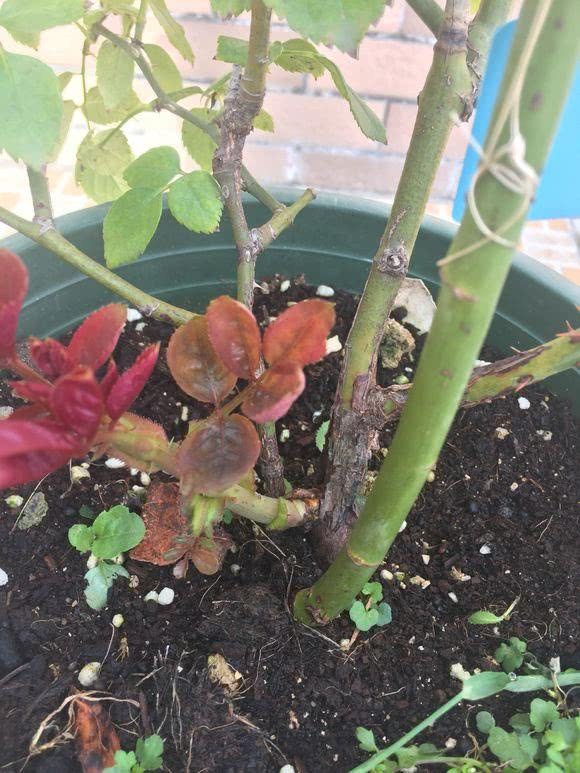
I grew a pot of roses, but they never seemed to grow, just stuck there, which is what gardeners usually call stagnant growth. After 2 months, though, they made a comeback, slowly pushing out small bud shoots, and gradually showing flower buds. Come and take a look at the rose's comeback journey.
Causes of Stagnant Growth in Roses
Stagnant Growth When Transplanting Roses
The roses were growing perfectly well, but the potting soil had become compacted and the pot was rather small, so they needed to be moved to a new pot. However, after repotting, they are prone to stagnant growth, especially in winter and early spring. In most places, the temperature is relatively low, and below 5°C they stop growing, which is a normal physiological phenomenon.
If transplanting in summer, because the temperature is relatively high and the air humidity is relatively low, roses are prone to dormancy. If transplanted at this time, the plants will not grow, and the transplant is likely to fail.
Stagnant Growth During Normal Rose Care
Soil Problems
If the soil used for growing roses is not breathable, or has become compacted, the roots cannot absorb nutrients. Or if the soil after transplanting differs from the soil used when the seedlings were growing, the roses cannot adapt all at once, and the plant's growth will stall, showing signs of stagnant growth. So when changing the soil for roses, it is best to choose soil close to the original soil.
Stagnant Growth After Removing Flowers
After removing the flower buds from roses, the plant will still continue to grow. At this time, you should increase the amount of watering, raise the air humidity, reduce light, and also increase nutrients. Prune the top branches to let the roses continue growing. If the above points are not done well, stagnant growth is also very likely to occur.
Stagnant Growth Caused by Pests and Diseases
Pests and diseases are a major factor causing poor growth and withering death in roses, because pests and diseases easily cause growth disorders in rose plants, reduced nutrient supply, and poor root development, resulting in stagnant growth. In severe cases, they can even lead to the death of the plant.
Therefore, in the process of caring for roses, pests and diseases must be treated promptly. Normally, you can also appropriately apply some medication to prevent the occurrence of pests and diseases. Newly purchased roses should also be properly acclimated. During the acclimation period, water less and fertilize less. After acclimating for a while, then continue fertilizing and watering, so as to ensure vigorous plant growth.