If you want your potted jasmine to grow quickly, you need to give it good soil.
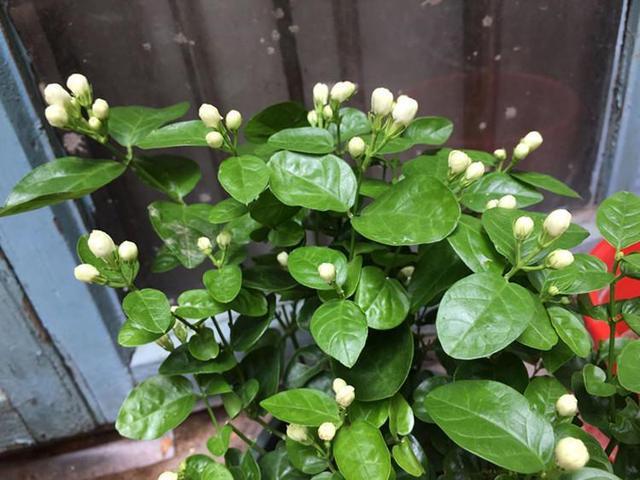
Jasmine is a classic acid-loving flower. Throughout its long growing period, it needs to keep absorbing acidic components to grow strong and bloom abundantly. So how do you flower lovers ensure that acidity? Soil. Only when potted jasmine gets to "eat" good soil will it not only grow quickly but also bloom all over the tree.
Because jasmine grows in its place of origin on loose soil rich in humus, with a slightly acidic texture, flower lovers growing jasmine in large open-ground plantings must absolutely avoid heavy, poorly draining soil. Choose a sandy loam with strong water-holding capacity and rich in humus. A site facing south or southeast with plenty of sunlight is best; both hilly land and flat land can be planted.
As for the soil for potted jasmine, flower lovers need to mix it themselves. An ideally hand-mixed potting soil should have sufficient nutrient content, complete fertility, good drainage, and should not form a crust on the surface after watering or crack when dry. The soil should be loose and rich in humus, giving the soil good water retention and fertilizer retention.
The specific recipe for the growing medium is: choose 2 parts leaf mold, 2 parts peat soil, 4 parts sandy loam, 2 parts river sand, then add an appropriate amount of decomposed granular chicken manure fertilizer, stir thoroughly, and it is ready for potting. The amount of chicken manure fertilizer applied should not exceed 5% of the volume of the growing medium in the pot. Excess easily causes root burn, making the branches and leaves turn yellow and the whole plant grow poorly.
Why mix such soil for jasmine? Because sandy loam is a soil with a sandy nature. This kind of soil has a certain stickiness and can retain water and fertilizer. Peat soil is a dark brown soil formed over a long period in swampy low-lying land. This soil is light in texture, has good water and fertilizer retention, and is rich in humus, making it acidic. Leaf mold, besides having a certain fertility, mainly serves to loosen the soil.
So when these three soils are mixed with river sand, the result has a certain fertility and is also loose in texture, retaining water and fertilizer to supply the needs of jasmine plant growth. If you are a flower lover who does not want the hassle, you can also use general-purpose flower nutrient soil instead.
To make the fertility of the growing medium last, you also need to top-dress the jasmine during care. For top-dressing, it is generally recommended to use a general-purpose liquid organic fertilizer for flowers, once a week, diluted 500 times to water the roots. If the jasmine has yellow leaves, you can also use it alternately with ferrous sulfate. Caring for jasmine this way, the plant can continuously absorb nutrients, and the jasmine will have lush branches and leaves and bloom abundantly and fragrantly.