Mix these 3 kinds of waste together and you get an all-purpose soil for growing flowers: whatever you grow with it thrives.
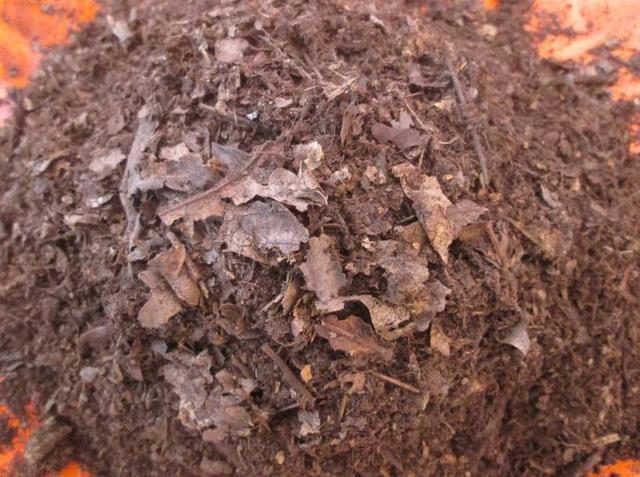
When growing flowers, you must learn to make your own nutrient soil. Why? Because no matter where you buy so-called "special soil for flowers," it actually does not contain much nutrients, and it is not necessarily suitable for every kind of potted flower. Quite a few flower lovers who have been growing for three to five years or even longer have never bought nutrient soil; they generally make it themselves.
Making your own nutrient soil for flowers has one advantage: how much nutrients it has, how fertile it is, and how loose it is are all entirely under your control. And on top of that, the materials used to make nutrient soil are generally "waste" from daily life, so you could say it is waste utilization that saves resources. How do you make nutrient soil for growing flowers? Next, let's go over the knowledge.
1. Add "leaf mold" to ordinary garden soil
Leaf mold is formed after plant leaves and twigs are decomposed and fermented by microorganisms in the soil. How good this waste is for growing flowers, you will know once I tell you. Leaf mold, plainly put, is leftover plant leaves, and it contains fiber as well as a variety of trace elements. In addition, after piling and fermentation, it develops a large amount of humus and becomes loose in texture. Mixing leaf mold into ordinary garden soil turns the potting soil into loose soil rich in humus. There is nothing better for growing flowers and roots.
2. Add "eggshells" to ordinary garden soil
Eggshells are a natural calcium and phosphorus fertilizer. Do not throw away used eggshells; after washing them, sun them for two hours, then crush them. Sunning can sterilize and disinfect them. Crushing them makes it easier for them to blend with the potting soil and helps plant and flower roots absorb them quickly.
Adding eggshells to ordinary garden soil is a fairly common fertilizing method for growing flowers, and it is much better than applying some compound fertilizer or other inorganic fertilizers.
3. Add "pine needles" or "straw" to ordinary garden soil
The benefits of pine needles are heat preservation and moisture retention, and especially a very good heat-preserving effect. When the weather is cold, adding some pine needles to the potting soil can help flowers and plants get through winter quickly. The roots will not be frostbitten or rot. In addition, pine needles also do a very good job of loosening the potting soil.
If pine needles are hard to find, you can replace them with straw from the field. Before mixing either pine needles or straw into the soil, be sure to wash them first and then dry them in the sun; this can remove bacteria and prevent small insects from appearing in the potting soil. When mixing them into the soil, also cut them a little shorter with simple scissors.
Using the above 3 kinds of "waste" to make nutrient soil comprehensively, you could say it is very fertile and loose. Once this kind of soil is made, whether you are growing flowering plants or foliage plants, they will all grow very well. Especially for those flowers with vigorous root growth, such as spider plant, orchid, clivia, pothos and so on, using this kind of soil will surely make the roots thick and healthy, greatly improving their ability to absorb nutrients.
That is all for the knowledge about soil for growing flowers. Thank you for reading! Remember to like and share~