Pothos only grows vines but no leaves? Add one grain of it, new leaves sprout in 7 days and the pot is full in 30 days
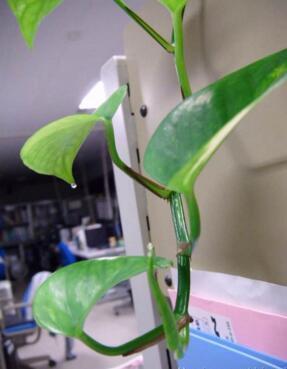
Pothos is a potted plant that flower lovers quite like. From south to north across the country, it can be grown almost everywhere. It grows fast, its leaves are glossy green and full of life. Looking at it often gives your eyes a good rest, and its ability to purify the air is also super strong. When a new home is finished being decorated, people generally buy a few pots of pothos to put inside, and after a few days you can find that the air in the room is much better.
Recently I keep getting messages from flower lovers saying their pothos just will not grow well, and now it is so sparse it is almost out of leaves. They really want to throw it away, but still feel a bit reluctant to part with it. Actually, there is no need to throw it away. Today I will share a good method to make your pothos fill the pot:
Pothos grown into a "bare bachelor"? Add a grain of "it", new leaves "sprout" in 7 days, and after 30 days, it fills the pot
This situation is generally caused by a lack of nutrients, insufficient nutrients in the potting soil. For green plants kept at home, we rarely take the trouble to specially buy fertilizer to feed them, nor do we repot them. With no fertilizing and no soil changing for a long time, it does not have the strength to grow good leaves.
If the light is too strong, that is, if it stays under strong light for a long time, pothos will also get yellow leaves, and the leaves will become smaller and smaller, and gradually there will be only stems and no leaves.
If your pothos is already bald with only stems left, then do not expect it to still fill the pot again. That is not very realistic. We can completely use these branches and leaves to plant hope anew!
The best method is to cut off all its branches, cut them into sections, and each section must have an aerial root. In this way, cuttings are especially easy to root and survive.
We can cut off all the leaves on it, then lay them flat in the flower pot. The growing medium should be potting soil made of leaf mold and coconut coir, at a ratio of about 1:1. The leaf mold should be sun-dried and disinfected before use. Coconut coir mainly plays the role of retaining moisture and promoting pothos rooting.
After arranging them, water the flower pot thoroughly. Put it in a cool, ventilated place for care. Generally, in about 7 days new small leaves will sprout
After the pothos grows small buds, when watering it we can add a few grains of compound fertilizer mainly containing nitrogen, urea will do. Generally 3-4 grains is enough. Nitrogen fertilizer can promote the growth of plant roots and leaves, so after we water the pothos seedlings with it, the pothos will show a god-like growth speed, growing vigorously, and in about 30 days it can fill the pot.
After the pothos fills the pot, flower lovers still need to pay attention to its care:
1. Light
Pothos likes shade, and it is best to care for it with diffused light and ventilation. Generally, a natural diffused-light environment is most suitable. Usually placing it in a fairly bright place in the living room, kitchen, or bathroom is fine. Be sure to always keep it ventilated.
2. Watering
Pothos likes a moist growing environment. During the growing season, except in winter, the soil should be kept moist in all seasons, but be careful not to let water accumulate, otherwise the roots are prone to rot. In spring, generally water once every 3-5 days, and when watering, be careful to water thoroughly.
If there is a long-term lack of water, find a container larger than the flower pot, fill it with water, then put the flower pot in, let the water seep from the bottom of the pot into the soil, and after the soil fully absorbs the water, the pothos can regain its vitality.