What are the common causes of stem rot in orchids?
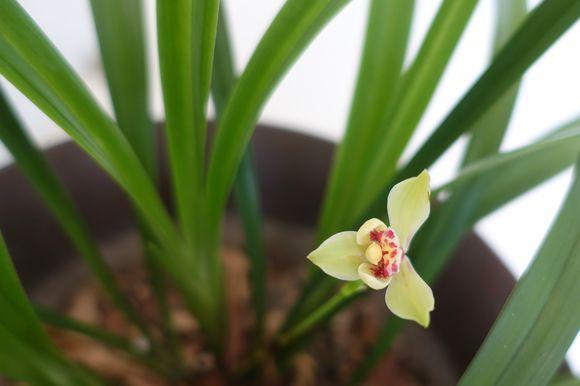
It can be said that stem rot is a headache that makes orchid lovers pale at the mere mention of it. A couple of years ago my orchids also suffered from stem rot, and this kind of pathogen is simply maddening to treat. From some cases of orchid death, the following situation usually occurs: with the same amount of watering, some potted plants are drier. At this point you need to pay attention to whether the roots and pseudobulbs of this pot of orchids have developed lesions. Once lesions appear, the roots and pseudobulbs can no longer properly transport water and nutrients to the orchid's fibrous tissues to achieve the transformation of photosynthesis.
When seedlings are growing vigorously, it is also the time when their resistance is weakest, so you should pay even more attention to observing their condition. Compare the color differences among seedlings to judge health standards. If they are dehydrated and wrinkled, that means there is a crisis. If the branches and leaves fall off at the slightest touch, that means the roots have rotted. If not dealt with in time, the pathogen will spread through water to nearby plants. By the time it reaches this point, it means the disease has already entered the late stage of treatment, and to successfully save them will take even greater effort.
Based on personal observation, when treating stem rot, the first task is to block the spread of the carrier, and the carrier of spread in orchids is "water." This is because the plant's own fibrous tissues are extremely similar to human blood vessels, transporting nutrients to every area through circulating blood. Once a problem occurs in one link, it will affect the entire system. At this point, the diseased seedling should be removed, and a specific antibacterial agent should be applied to the removed area. This suppresses the pathogen, and the later treatment will also be much easier.
During treatment, the orchid pot must be placed in a ventilated place with light. This will greatly speed up the air-drying area of the orchid, and the wounded surface left by removing the diseased seedling will also quickly air-dry and form a scab. With less water, the speed of pathogen circulation will slow down, the condition will be well suppressed, and the plant's healing ability will gradually improve. If there is improvement in all aspects, the orchid plant will grow new shoots. At this point it is worth congratulating yourself, because the stem rot is already more than half cured.
A warm reminder: keeping plants does not mean that once you buy them you can just let them fend for themselves. Plants also have vitality, not inferior to that of humans at all. If you truly want to become a flower grower enjoyed by both the refined and the ordinary, it is very important to experience the warmth and coldness of the flowers. Experienced people know that growing flowers is about focusing on the process. Watching it grow from an ordinary sprout to a lush, leafy appearance will give the caretaker a great sense of pride. This is also the reason many people place their elegance and refinement in flowers and plants.