How do you deal with powdery mildew on roses? Treat it this way and they will be as lively as ever
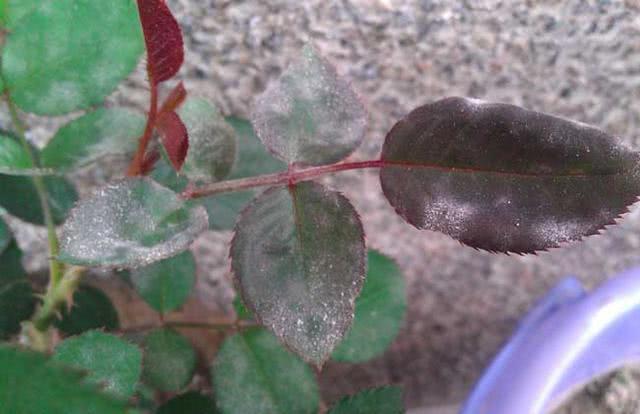
The rose is called the queen of flowers and appears very often in petit-bourgeois households. As an ornamental plant, its advantages are the large area of blooms and the long flowering period, but what should flower lovers do when powdery mildew appears? Follow the editor's pace and let me teach you how to resolve this big problem of powdery mildew. The prevention and treatment process is not as troublesome as you imagine. People who have the leisure to grow flowers generally have a calm mind, because the cultivation of character through growing flowers should not be underestimated.
Generally, powdery mildew on roses is more common on ornamental flowers of the genus Rosa, and this is also one of the important limiting conditions affecting flower growth. How do you solve powdery mildew when it appears on roses? Treat it this way and they will be as lively as ever! Podosphaera pannosa is a pathogenic fungus, often seen on plant leaves in winter. When the weather warms up in spring, it multiplies its spores in large numbers, infecting the sap of healthy plants, and when the wind is generally strong in summer, it can infect other plants with the wind.
But the onset period of powdery mildew on roses also follows certain rules. An overly dry climate and insufficient light will both become uniquely favorable environments for its reproduction. Furthermore, too much fertilizer must not be applied, as it very easily leads to excessive nutrients, and overly lush leaves will become targets for insect infestation. Therefore, pay attention to pruning the branches and stems of roses, pull out diseased leaves early, strengthen management, apply less nitrogen fertilizer and more phosphorus and potassium fertilizer.
The disease resistance of the plant is also something flower lovers need to pay attention to. After rain, drain excess water, avoid moisture invasion and prevent powdery mildew early. In the dry seasons of summer and autumn, pay more attention to the humidity of the environment around the roses, frequently spray water on the roses, and apply more fertilizer during the plant's growing period to promote strong roots and robust plants. Later cultivation must never be neglected. Early discovery will also increase the success rate of rescue, otherwise it will affect its looks and make you very sad.
When powdery mildew occurs, provide more ventilation and more strong light. Natural sterilizing radiation is very necessary, and carry out sterilization measures on a 15-day cycle. When powdery mildew is first discovered, using some flusilazole or difenoconazole also has very obvious treatment effects. There is no need to worry that using these drugs will damage other healthy leaves, because the drugs only work where they come into contact with the diseased areas. Therefore, when treating powdery mildew, be sure to spray all over the base of the rose.
When spraying, note that the whole plant should be sprayed, otherwise the expected effect will not be achieved. Remember that when spraying treatment drugs, do not neglect the addition of a protective agent. The broad-spectrum fungicides in the pesticide will be toxic to the plant, but will not cause much reaction in humans. Diluting it before watering will save some unnecessary trouble. When using treatment drugs, follow the instructions exactly and do not use them randomly, otherwise you will get half the result with twice the effort and lose more than you gain.