Monstera care is simple, but the wrong methods can easily lead to root rot and withering
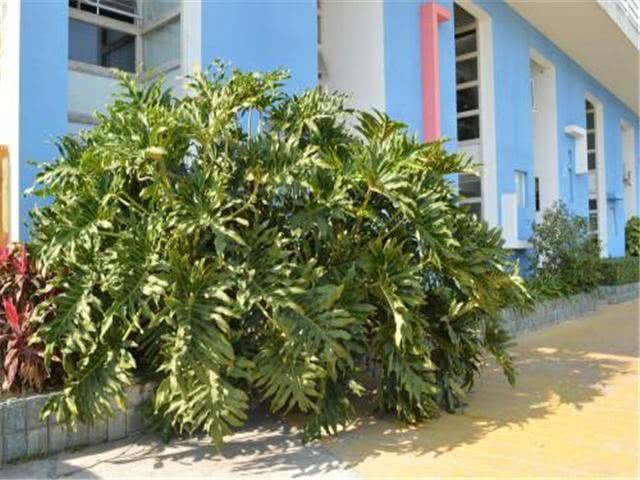
Summary: Growing a potted green plant at home has really become a habit for us now. These green plants not only bring us a good mood, but some plants can also help freshen the air, and the ornamental value of monstera (Monstera deliciosa) is relatively higher than that of other plants, so many people choose to grow monstera at home. In our Northeast, the weather in winter is very cold, so how do you get monstera through the winter safely?
Monstera relatively prefers a warm environment; the temperature suitable for its growth is 15 to 25 degrees, and when we grow it in winter, the lowest temperature should not go below five degrees. If it drops below that, it will suffer frost damage, and of course its leaves will also turn yellow and drop. So when growing it in winter, temperature is the most important condition for us. Therefore, if you want monstera to get through the winter safely, you need to control its temperature well.
If the temperature is too low in winter when we are growing monstera, it will cause its roots to rot. At this time, if we want to ease the root rot, we need to clean up all its rotten roots, and then we need to remove all the rotted parts of its roots until the cut surface is white. Of course, we also know that monstera is somewhat toxic, especially its sap, so when we clean up its roots, be sure to wash our hands promptly. Of course, we can also wear gloves when pruning.
At this time, we also need to cut off 2/3 of the last leaf at its top, and use a knife to gently peel open the sheath leaf on its petiole. Then use these thin bamboo sticks to support and secure it by the petiole. Only in this way can we prevent it from breaking the new shoots that have already grown when it falls off. Although winter in our Northeast is very cold and can easily cause it to freeze and be damaged in winter, at this time we should not worry either; we just need to take the corresponding measures for it.
At this time, we also need to control watering for it. At this point, we need to keep the potting soil dry, as only this can enhance its cold resistance. At this time, we can choose a sunny day about once every half a month, then lightly water some clear water on its surface. There is no need to fertilize it until it grows new shoots, and then we can just increase the amount of watering. We should not worry that once it is frostbitten there is no way to save it; in fact, under our careful care, it can still recover its vitality.
Of course, when we are preventing frost damage to monstera, we can give it plenty of sunlight in winter, because the winter sun is not that strong, so we can place it in a spot where it can receive sunlight for full sun exposure. This method is also somewhat helpful for easing its frost damage, and it can also prevent it from being frostbitten by the cold winter. So appropriate sunlight is also somewhat necessary for it.
Conclusion: Of course, if we want it not to be frostbitten, we also need to keep our room temperature above five degrees. Only in this way can we ensure that it will not be frostbitten, and we should not let it be exposed to cold wind in winter, as this will cause its leaves to turn yellow and wither. So if we want monstera to get through the winter safely, we must care for it according to these points mentioned by the editor. Only in this way can we effectively prevent it from being defeated by the cold of winter.