How to care for succulents in summer? These methods help them survive the summer safely
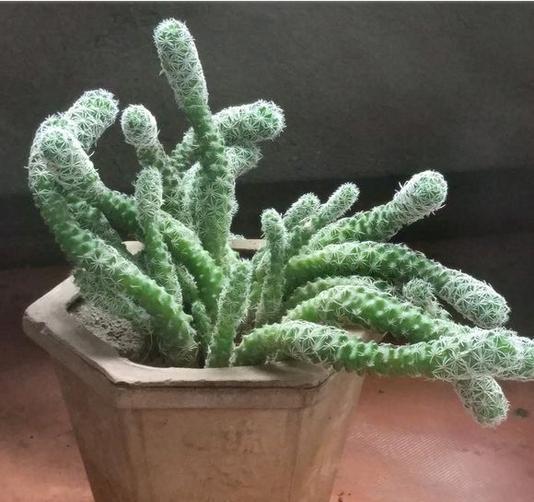
Every summer is a hard season for succulents. And the climate now tends to get hotter and hotter, making succulent care more difficult with each passing year. I hope fellow succulent lovers can also accumulate a little more succulent-growing experience every year, and strive to lose a few fewer succulents each summer.
Soil mix
As someone who has been through it, I really feel that mixing soil is not only the most basic task, but also the most helpful step later on. Because as long as the soil is mixed well, even if you don't have a good grasp of watering amount and watering frequency later, it can at least alleviate to some extent the fatal harm caused by waterlogging.
When having succulents repotted with new soil at the flower and bird market on the spot, please remember to strongly ask the shop owner to add some perlite, vermiculite or coco coir to the succulent soil, and pay extra if you have to. Don't simply use plain soil, or you'll suffer from waterlogging later. If you mix the soil yourself, use humus soil : perlite : vermiculite = 6:2:2. Beginners are advised to put ceramsite at the bottom for drainage.
Watering
First, do not water in the strong sun at noon and in the afternoon; watering in the evening is preferable. Second, do not water onto the leaves, and strictly avoid water accumulating on the leaves or in the center of the rosette, otherwise the plant is prone to rot. Third, the watering frequency is generally once a week, water thoroughly only when the soil is completely dry, and better dry than wet. (Of course, if the soil was mixed well earlier, then at least it won't be a big problem.)
Heat protection
Succulents must not be exposed to scorching sun; do not expose them directly to direct sunlight, especially the strong light in the afternoon. You can make a shade net yourself or buy one at a flower shop; a shading rate of about 50% is suitable. Too much sunlight will sunburn the leaves, but lack of light will make the stems and leaves grow leggy and the colors dull.
Rain protection
Summer has many storms, with big raindrops and heavy rainfall, so they must not be left in the rain. The rainfall of one summer rain clearly far exceeds the needs of succulents, and the excess water will only accumulate in the pot and cannot drain out. So pay more attention to the weather forecast, and succulents kept on the balcony should be moved back indoors in advance to avoid the rain.
Ventilation
Succulents have much higher ventilation requirements for their growing environment than other plants. Especially when you move them indoors to escape the heat or rain, pay attention to keeping the indoor environment ventilated and airy, and never keep doors and windows tightly closed. After a rainstorm, open the windows promptly, and it is best to turn on an exhaust fan or electric fan to increase air circulation.