Want to grow flowers but do not know what to choose? These flowers are beautiful and easy to care for
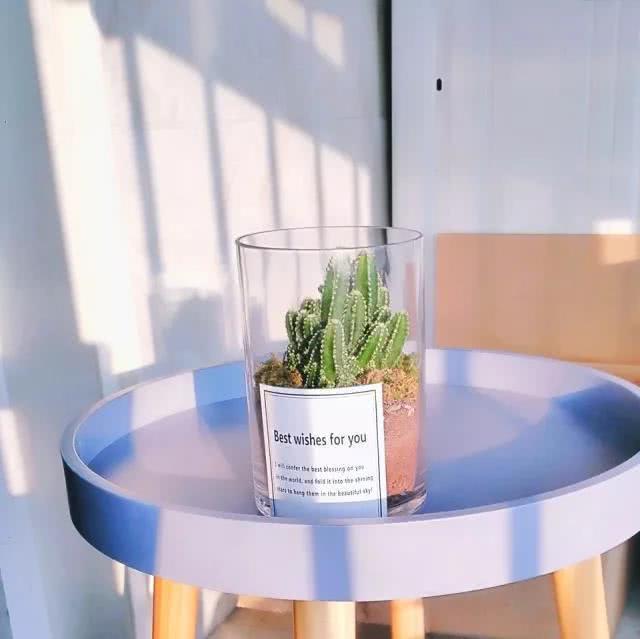
In her essay "Slow Looking," Long Yingtai says, "I want a home with soil in front of it, where loofah can be planted, climbing up poles and blooming huge yellow flowers in the light." A beautiful life is what everyone longs for in their heart, but the fast-paced life leaves us unable to get close to nature at any time, and even growing flowers has become a luxury. Or perhaps you are an office worker, a stay-at-home mom, or even someone with a black thumb? Then today let us take a look at some plants that are both good-looking and easy to keep alive.
1. Cactus
How much does it cost to furnish an 80 sq m home like this? Click "Free Quote" to find out right away
When it comes to easy-to-grow plants, the first that comes to mind is definitely the cactus. Long known for its tenacious vitality, the cactus is the beloved favorite of every black-thumbed gardener. Netizens joke that if a person can kill a cactus, they must be quite talented, because the difficulty of growing a cactus is almost zero.
Cacti thrive in strong light and tolerate heat, drought, and poor, barren soil. They are tenacious and need only rough, minimal care, making them very suitable for growing on a home balcony. In daily care, they only need watering once every 1-2 months, following the principle of "do not water until dry, and never overwater."
Tips
Cacti come in many species and sizes, so you can decide which variety to buy based on where you plan to place it. Families with young children should take care to protect the children from being hurt by the spines on the cactus surface.
2. Succulents
Succulents are xerophytes, able to store usable water. When soil moisture conditions worsen and the plant's roots can no longer absorb and supply water from the soil, they allow the plant to temporarily survive independently of external water supply. According to rough statistics, there are currently more than 10,000 species of succulents worldwide. Compact succulents are highly ornamental, and neatly arranged succulents of different sizes also make a fresh scenery line in the home.
The secret to growing succulents well is less watering + more sun. More sun makes the colors look better, while too much water causes root rot. (Specifically, it still depends on the habits of the variety.)
Tips
Many people mistakenly believe that succulents like sandy and gritty soil, so they start off using sand and grit at a ratio of more than 80%. For succulents, they basically will not grow for a short period, and some even slowly wither and die outright.
1. For succulents newly bought home, it is best to use soft peat soil (adjust as needed for succulents with different habits) to first grow roots.
2. For mature old plants (generally referring to succulents over 2 years old), a ratio of peat soil + sand + grit at 1:1:1 is very suitable. If you want the succulents to grow plumper, you need to switch to a deeper and larger flower pot.
3. Pennywort
Pennywort, with round leaves and thin stems, is as cute as a small lotus leaf. As long as it gets two to three hours of direct sunlight every day, it can grow very densely. Pennywort also symbolizes wealth.
Pennywort can be grown in soil or water. It is recommended to grow it directly in water; it is completely fine even if it is fully submerged, and you only need to place it in the sun and keep watering it. Pennywort has very tenacious vitality.
Tips
1. If pennywort is not cared for properly, its leaves can also turn yellow and wither. Remove rotting and yellowed leaves promptly to keep it looking tidy.
2. Pennywort will bloom, but after blooming it stops growing. To ensure leaf growth, you can cut off the flower stalks that are about to bloom, leaving only a small number of flowers to ensure enough nutrients for the leaves to grow.
4. Asparagus Fern
Asparagus fern, also known as cloud-pine, is a highly ornamental plant. We often see it in studies, and it can also be placed in the living room. While purifying the air, it also adds a scholarly atmosphere.
Asparagus fern likes warm, humid climates and semi-shaded environments. It fears direct strong light, and intense summer sunlight will turn the branches and leaves yellow. Watering should follow the principle of "water when dry, stop when wet," not watering until dry and watering thoroughly when you do.
Tips
Watering is the most critical issue in the cultivation and management of asparagus fern. Therefore, watering becomes an important measure in whether it can be grown well. Too much watering and overly wet potting soil easily cause root rot and yellow, falling leaves; too little watering and long-term drought in the potting soil easily cause leaf tips to turn yellow and fall off. So during the growing period, the amount and frequency of watering should be determined by the weather, growth conditions, and the moisture level of the potting soil.
5. Snake Plant
The snake plant is an evergreen plant in all four seasons, with few varieties but excellent appearance. It is suitable for placing at home, brings people a good mood, and also has the meaning of attracting wealth and gathering treasure. The snake plant is also a plant with extremely tenacious vitality. It can absorb some harmful gases indoors, beautify the environment, and purify the air. It can be grown in either soil or water.
Snake plants need moderate watering, following the principle of preferring dry over wet. Usually, you can wipe dust from the leaf surface with clean water to keep the leaves clean and glossy.
Tips
Snake plants are not demanding about soil and can grow normally even in a very small volume of soil. Snake plants are desert plants and can withstand harsh environments and long periods of drought. Watering too frequently makes the leaves turn white and the markings and color fade. From spring to autumn they grow vigorously and should be watered sufficiently. During the winter dormant period, watering should be controlled to keep the soil dry, and water should be kept from entering the leaf clusters. When using plastic pots or other decorative flower pots with poor drainage, be sure to avoid water accumulation, so as to prevent rot that causes the leaves to fold over below.
6. Monstera
Monstera has a graceful plant shape, uniquely shaped leaves, and deep green, glossy foliage, giving a good overall ornamental effect. It also has the characteristic of absorbing harmful gases such as formaldehyde and benzene, achieving the effect of purifying indoor air, making it an ideal indoor plant. It also carries the meaning of health and longevity.
Monstera leaves are very similar in shape to turtle shells, and it has a long lifespan. It also has the peculiar ability to absorb carbon dioxide, which is beneficial to human health. It can be placed in the bedroom or living room, places people often pass through.
Tips
Monstera is relatively tolerant of shade and is suitable for placement in shaded indoor areas. It fears direct sunlight, and exposure to blazing sun can easily cause it to wither and die. Water once a day in daily care, and once every three days in autumn and winter.
These plants are all relatively easy to grow. As long as you remember the principles of watering, you can handle them with ease. Do these cute and fresh, good-looking plants make your heart flutter? As long as you choose the right plants, you will no longer be a black-thumbed gardener. Hurry up and give them a try, and add a new color to your home.