Orchids face their second high-temperature month in August; care needs to be prepared in advance
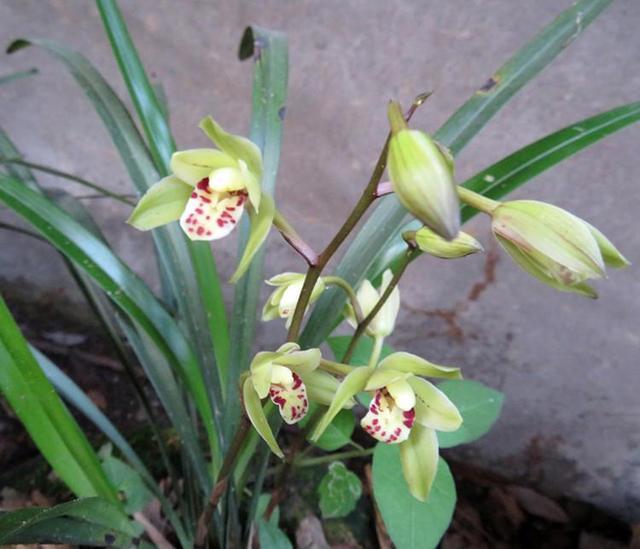
August is almost here, which means a new round of high temperatures is coming with it. When growing orchids this month, you will still face a high-temperature crisis, so if growers want their orchids to get through August smoothly, some tips for growing orchids in August need to be "read in advance."
1. This month has two solar terms, Start of Autumn (the 7th-9th) and End of Heat (the 22nd-24th). The average monthly temperature is similar to last month, still around 29°C. The weather is extremely hot, and this is the second high-temperature month of the year. The most important task is still shading. When the temperature exceeds 25°C, still use dense shade cloth; if the temperature is below 25°C, use sparse shade cloth, and do not let orchids be exposed to direct sunlight. For indoor orchids, pay attention to ventilation and air movement to prevent heat and lower the temperature.
2. Strengthening ventilation and air movement in the orchid room is still the focus of this month's work. Windows should be opened, exhaust fans should be kept running, and wall fans and ceiling fans should run all day to ensure fresh air circulation in the orchid room. This can effectively inhibit the reproduction of pathogens, and it is a task that cannot be ignored.
3. After the Start of Autumn, air humidity decreases, so water supply is very important. Watering should be increased as appropriate, and the warning "do not let things dry out in autumn" should be kept firmly in mind. Especially during long droughts with no rain, pay attention to watering to keep moisture. If humidity is too low, spray water on the ground or use a mist spray to ensure the humidity of the orchid room, prevent orchid leaves from shrinking and tips from drying out, and ensure that orchids grow vigorously.
4. After orchid plants go through the high heat of summer, the nutrients in the pot are heavily consumed. From mid-to-late August, apply a general-purpose organic fertilizer for orchids to the roots once every 10 days, diluted 500 times; foliar feeding should also be done once every 10 days, and the two can be alternated, with dilution 1000 times.
In addition, fertilizing in August should appropriately increase the phosphorus and potassium components to help produce flower buds. You can alternate 0.5% potassium dihydrogen phosphate with a general-purpose organic liquid fertilizer for orchids, while ensuring the growth of autumn shoots and the development of robust early spring shoots. However, the fertilizer should be thin, not concentrated. It should still be applied in the evening of a sunny day when the temperature is below 30°C after the potting medium in the orchid pot has slightly dried, and "recovery water" needs to be watered the next morning.
5. Typhoons often strike in August, so growers also need to do a good job of typhoon prevention to keep typhoons from overturning orchid pots and breaking orchid leaves. After a typhoon comes windless, extremely hot weather, so promptly repair the shade netting damaged by the typhoon to prevent orchids from being scorched by the fierce sun.
6. This month, repotting, division, and introducing new plants are still not suitable. If divided this month, the wounds on orchid plants are prone to infection by pathogens, the risk is high, and old plants are likely to topple over, so growers should pay attention.