The most unassuming little flower-growing trick, yet the results are really excellent
Growing flowers seems like a rather difficult thing to many people, but in fact it is not as difficult as many imagine. We really only need to get a few small things right, and the plants will grow vigorously. The more basic the matter, the more it tends to determine how the plants grow.
Today I want to talk about a very basic yet often overlooked issue, namely the drainage layer placed in the pot before potting. The very common roof tiles and small stones found in daily life can do this job perfectly.
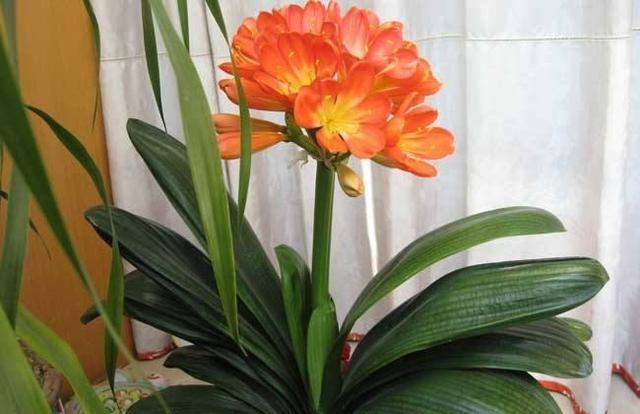
Small stones or tile pieces: when repotting or potting up flowers, place some small stones or broken brick and tile pieces in the bottom of the pot, spreading a layer at the bottom as a drainage layer. Generally, plants whose roots have small stones placed at the bottom of the pot grow better, with thick, strong roots that do not rot. For plants with rather developed root systems such as spider plants and clivia, this is very crucial.
Placing some small stones or tile pieces at the bottom of the pot can ensure the air permeability of the potting soil, and the roots' breathing can be guaranteed. The main cause of root rot is poor root respiration; over time the plant's leaves easily turn yellow, and in severe cases the whole plant dies.
Moreover, after placing stones at the bottom of the pot, the drainage of the potting soil becomes better. As long as there is no water accumulating in the pot, the roots will grow relatively well. When first growing flowers, people always care for the plants too much; watering too much easily causes water to accumulate in the potting soil, and after water accumulates the roots lack oxygen and are very prone to rotting.
After placing a drainage layer at the bottom of the pot, this situation will not occur. When watering, follow the principle of watering thoroughly only after the soil has dried out. Besides small stones, you can also place small twigs, pine needles, clay pebbles (Leca), loofah sponge and so on, all of which are excellent drainage and breathable materials.