Put these potted plants in a newly renovated house, and you'll be able to move in before long
With these potted plants in a newly renovated house, you'll be able to move in before long
You can't move into a newly renovated house right away, since the formaldehyde levels may be too high - everyone knows that. But when you look at your own beautifully renovated new home, so spacious and bright, you really want to move in right away. Now let me tell you: placing these plants not only adds beauty, but also helps remove formaldehyde as quickly as possible. With these potted plants in a newly renovated house, you'll be able to move in before long.
But when you go to a flower shop to buy plants and ask the salesperson which plants are best at removing formaldehyde, they will recommend many plants to you. Some of them, however, cannot actually remove formaldehyde in any real way, so never buy blindly.
First of all, in a newly renovated house, whether it's furniture or certain home decoration materials, formaldehyde may be present. The presence of formaldehyde is very high, especially in enclosed environments, so once your house is renovated, you must not just leave it alone - you should go over from time to time to air it out.
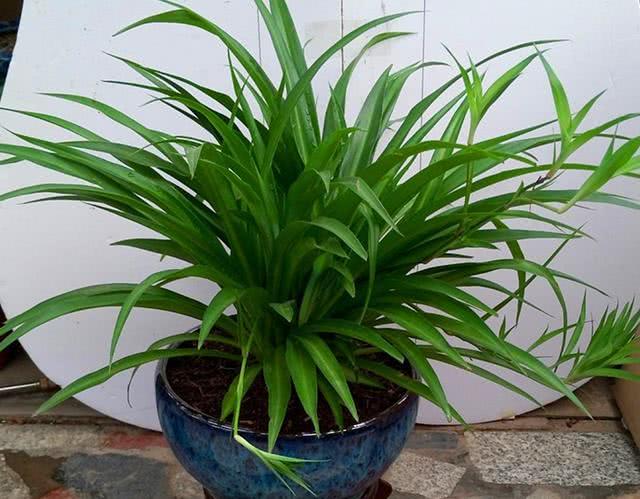
Spider plant (Chlorophytum comosum) The spider plant is called the "air purifier." It can absorb more than 10 percent of the toxic substances indoors, and its ability to absorb formaldehyde is excellent too. Generally, place 2 or more spider plants indoors, and it can absorb most of the toxic gases in the air.
The well-known pothos (Epipremnum aureum) is not only cheap but also truly effective. It can absorb around 60 percent of toxic substances in the air such as benzene and formaldehyde, and the more pots you place, the better the effect.
Mint Mint is also called the "toxin-absorbing grass." According to research, mint's formaldehyde elimination capacity is 93.9% in about 5 hours, and its elimination rate over three days is 98.6%. Moreover, the more toxic substances there are in the environment, the better mint grows, so place some mint plants in your home. After roughly two to three months, you can move in.
Monstera (Monstera deliciosa) A beautiful and attractive plant, but its formaldehyde adsorption rate is also very good. Placing a few pots of monstera in a new house not only has a decorative effect but also increases oxygen levels and improves indoor air quality.
Ivy (Hedera helix) According to scientific research comparisons, ivy is currently the plant with the strongest formaldehyde absorption, and its adsorption rate for tiny harmful particles in the air is also extremely strong. Hurry and put several ivy plants in your new house.
Peace lily (Spathiphyllum) It is an easy-to-grow plant and very beautiful as well. Wherever it is, it can filter formaldehyde out of the air so it is not absorbed by the human body. So the peace lily is a plant very well suited to having several pots of it at home.