How to sow Lithops seeds: even beginners can learn it easily
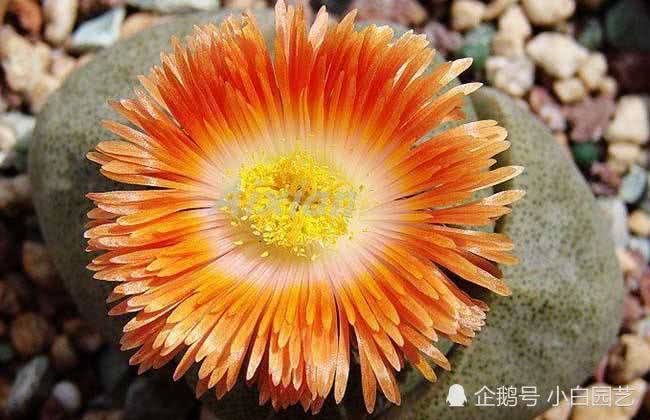
Many gardening enthusiasts want to know the tricks for sowing Lithops. Today, the editor will bring you the sowing techniques for Lithops, which are very simple.
Lithops sowing conditions
1. Lithops seeds
For beginners, the editor does not recommend sowing mixed Lithops seeds, because different seeds have different requirements for various factors, and the survival rate is relatively low. You can find a reliable shop and buy some pure strains, one type per pot is enough.
2. Sowing container
Common containers on the market include various homemade small containers. These are all fine, it all depends on personal preference. Here I will just mention two points: 1. The bottom of the container needs to have holes, 2. The depth is generally 5-7 cm.
3. Soil mix
1. Volume ratio
Choose peat 3 : granular soil 2 : vermiculite 1, with a volume ratio of 3:2:1. Note that all should be fine granules; generally use 1-3 mm granules and vermiculite. Mix the soil well and put it into the pot. You can use coarse granules as a bottom layer, or you can mix the soil well and put it in directly, filling to about 0.5 cm below the edge of the container. Spread a thin layer of peat plus vermiculite on the surface, preferably so that no granules are visible. This can prevent seeds from landing right on the granules and can also better ensure surface moisture.
2. Sterilisation
After filling, soak the pot from below. You can put fungicides and disinfectants such as carbendazim and potassium permanganate into the water, or add water directly when mixing the soil.
Now that the soil has been discussed, next are the environmental requirements. Plants grow in different environments, and their environmental requirements are also different.
Quicklime's environmental requirements
1. Watering
In the south, water Lithops once every 2-3 days in autumn. In summer, half shading is needed, otherwise the sun is too harsh. Around autumn and winter, direct sunlight is needed.
2. Ventilation
Lithops are thick and succulent with a high water content, and are very prone to rot caused by bacterial infection. Therefore, attention should be paid to good ventilation, avoiding water accumulation in the potting soil, and frequently spraying sterilising drugs such as carbendazim and thiophanate-methyl. Spraying once a month normally can prevent this.
Lithops are living gems. Most Lithops are not large in size, so when growing them, do not blindly pursue size; body shape, colour and pattern are also relatively important. The folk saying that there are no stones that died of drought, only stones that died of watering, is not credible. Lithops also need occasional watering and suitable sunlight.