Orchids are beautiful, but they are not easy to grow.
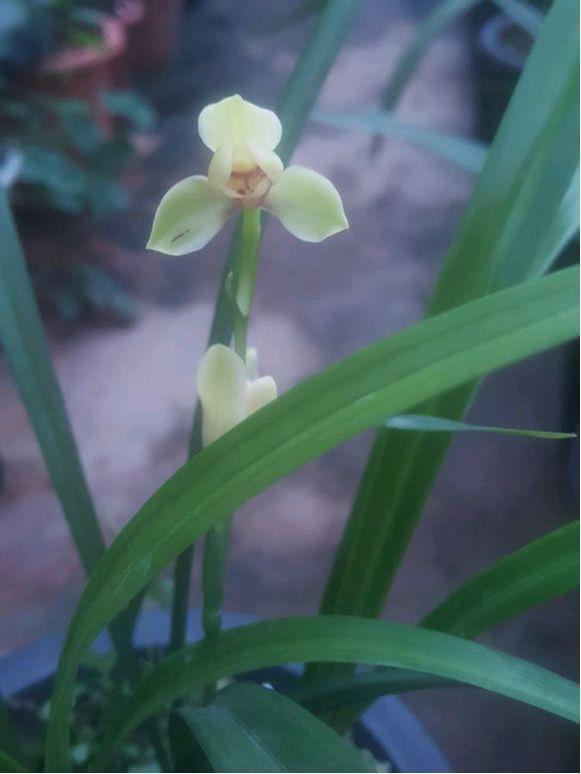
There are so many orchid varieties that it is said there are more than 20,000 of them! What is even more impressive is that orchid flowers can be said to bloom in an amazing variety of forms, in all kinds of colors and shapes, which is why orchids have remained popular in the international flower market for so long! Although orchids are beautiful, growing them can be said to be very difficult, so be sure to note down these care points right away!
1. Soil.
For an orchid soil mix, you should prepare humus soil or leaf mold rich in humus, preferably slightly acidic, which is more favorable for plant growth. Orchid roots have very high requirements for ventilation and air permeability, so on the basis of humus soil, mix in vermiculite or perlite to increase the gaps in the soil, which helps drainage and air permeability. You can use humus soil: perlite: vermiculite = 7:2:1 to prepare the soil mix.
2. Watering.
Orchids like a moist growing environment, so soil moisture should be kept moderate; it should be neither dry nor waterlogged. In spring and autumn, water basically once every 3 days; in summer, water almost once a day; in winter, orchids need less water, so water once every 5-7 days. When watering, it is not recommended to pour water onto the leaves. If you want to cool it down, you can sprinkle water around the flowerpot.
3. Sunlight.
Orchids are shade-loving plants and have no resistance to direct sunlight, so it should be avoided. The shade-loving mentioned here really means shade-loving. Of course, besides summer, when they absolutely must not be exposed to the sun, even the midday and afternoon sunlight in spring, autumn, and winter must also be avoided. Placing it on a desk or in a corner of a bookcase in a study for care is enough.
Of course, you should also occasionally move it outside to get some sunlight, but only the soft sunlight in the early morning or after sunset. During the weak sunlight period after the sun has set, put it on the balcony and let it enjoy half an hour of sunlight. Even slightly strong sunlight will scorch it, especially during the flowering period, when direct strong light must be avoided even more.
4. Fertilizing.
Orchids need relatively more nutrients to bloom well. The nutrients in humus soil are simply not enough for the growth needs of orchids, so you can use a base fertilizer plus later topdressing to supplement nutrients. When preparing the soil, you can put a layer of slow-release fertilizer containing more potassium fertilizer at the bottom, which helps promote flowering.
After applying the base fertilizer, the concentration of ordinary topdressing must be light. During the growth period, you can apply 15% dilute cake fertilizer water, 0.1% urea fertilizer water, or 0.2% potassium dihydrogen phosphate fertilizer water, with a fertilizing frequency of about once every 20 days. On this basis, you can also supplement nutrients by fertilizing the leaves.
During the flower bud emergence stage and the flowering period, it is suitable to supplement with foliar fertilizer. You can spray O.2% potassium dihydrogen phosphate onto the leaves about every 10 days, which helps the development of flower stems and flowers. When spraying, be careful to avoid spraying it onto the flower buds.