A few things to note when fertilizing orchids
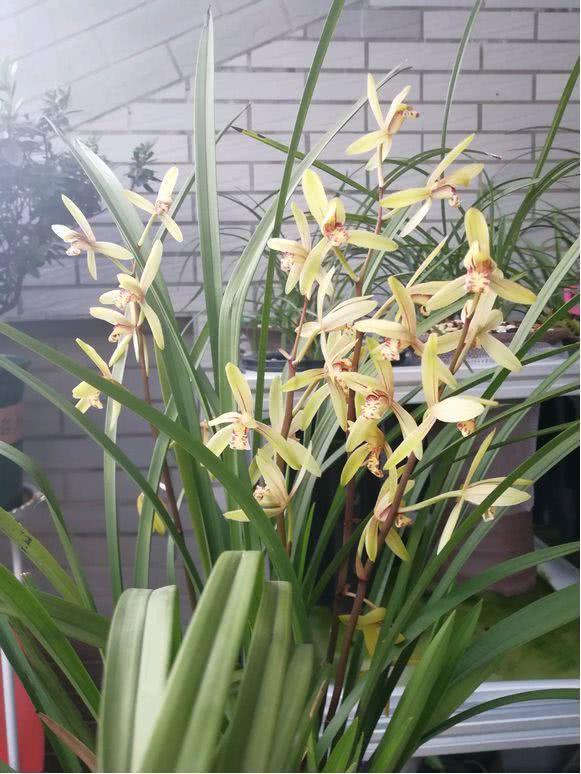
Fertilizing orchids is a place where flower lovers often run into problems. Originally it is just out of kindness, fearing that the orchid does not have enough nutrients, so now and then they give it a nutrient boost, but sometimes the expected results do not come. After fertilizing, the orchid leaves do not turn green and do not become thicker, and no flower buds are seen emerging either. What is going on here?
The first thing is the issue of fertilizer concentration. How exactly should this fertilizer concentration be controlled? Some people think that the more fertilizer you apply and the more diligently you do it, the better it will be for the orchid, and the more flowers it will produce. It must first be stated that this is a huge misconception, especially where orchids are concerned. In fact, the fertilizing principle for most plants is to apply thin fertilizer frequently, and this is even more true for orchids.
The fertilizing concentration for orchids is on average half the concentration used for other plants of the same size, and as for frequency, my suggestion is that the interval should also be longer than when fertilizing ordinary plants. I suggest a fertilizing frequency of at least 20 days or more; for beginners who are not yet confident, applying once every 30 days is enough. Better too little than too much.
If you do not fertilize, at worst it will not grow beautiful flowers and plump leaves, but if you fertilize poorly, it may simply die just like that! Especially in summer, fertilizing must be done even more cautiously. High temperature plus strong fertilizer can very easily burn the root system, and then it cannot even guarantee the most basic function of absorbing water.
Another point to note is that frequently switching among multiple different fertilizers is also not good. You can switch, but by all means avoid frequent switching. If you do switch to a different kind of fertilizer, I suggest a fertilizing interval of more than 30 days. Otherwise, the residual substances from the previous fertilizing are still there, and the next time you switch to another fertilizer, adverse reactions are very likely to occur, and the root system cannot adapt either.
In fact, the most basic way to fertilize orchids is to repot them, and you can basically maintain a frequency of repotting once a year. The nutrients in the soil are the most natural nutrients, and they will not cause the root-burning problem brought about by excessive concentration. The mud is humus soil rich in humus, that is, what is commonly called orchid mud. If you can add some perlite or vermiculite to increase air permeability, that would be even better.