Care Tips for Western Azaleas: Master Them and You'll Get Lush Branches and Plentiful, Vivid Blooms
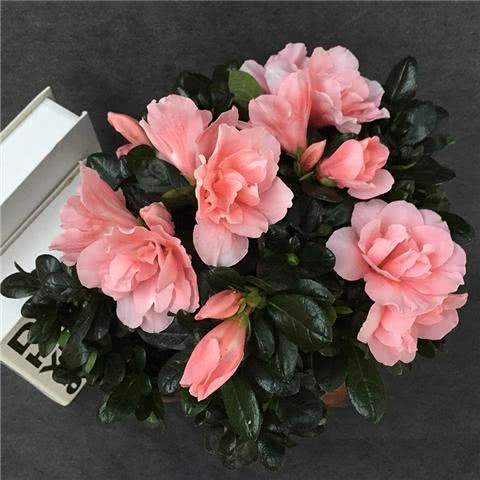
Western azalea is a type of rhododendron with brilliant flower colors. If you want big, vivid blooms, you need to understand its growth habits. Western azaleas prefer cool conditions, so the environment must be kept well ventilated. Beyond that, watering and light must not be neglected. Below, the editor will introduce the care tips for western azaleas!
Care Methods for Western Azaleas:
(1). Suitable Soil
Western azaleas have fine, slender roots, so the soil should be a loose leaf mold. This kind of soil has good drainage and air permeability, allowing the plant to absorb nutrients better during growth.
(2). Reasonable Fertilizing
During its growing period, western azaleas need fertilizing once a week. You can choose diluted nitrogen fertilizer, and it must be applied [during this time], otherwise the plant is easily burned, causing leaves to dry up and drop.
(3). Water Management
Western azaleas have fine, slender roots, so watering requires great care: neither too much nor too little. Overwatering causes waterlogging and root rot, and the flowers tend to drop and bloom for a shorter time. Underwatering causes drying out. In spring and autumn, water 2~3 times a week; just keep the soil moist, and stop immediately once water flows from the drainage holes. In summer, water once a day. In winter, growth is slow and water demand is low, so water once every 15 days.
(4). Moderate Light
Western azaleas prefer warmth and dislike strong light. For home cultivation, they need to be placed somewhere with diffused light, usually in the living room. In summer, move them indoors and provide appropriate shade to prevent the plant from being scorched. Ventilation should be good so moisture can evaporate in time and waterlogging is avoided.
(5). Regular Pruning
During care, if you notice branches that are too dense or dead branches and rotting leaves, prune them promptly to avoid nutrient consumption. This also maintains the plant's shape and encourages new branches and leaves to sprout, which benefits growth and flowering.