Is osmanthus toxic? Can it be kept indoors?
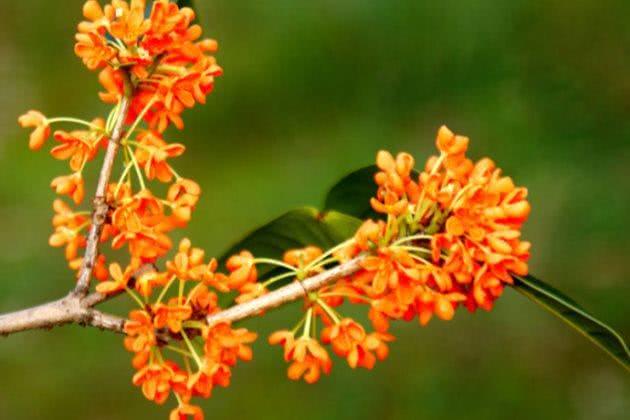
Osmanthus is a relatively excellent garden landscaping plant. When it blooms, its delicate fragrance fills the air and can serve as a good refresher. Osmanthus is also often used by people to soak osmanthus wine and for other edible purposes. This shows that osmanthus has many uses and benefits, which is why people love it.
Osmanthus can be planted in residential green belts, parks, roadside green belts and other places, and can also be grown as a bonsai on balconies at home. So with osmanthus being used so widely, is osmanthus actually toxic? Is osmanthus suitable for keeping in the bedroom? With these questions in mind, today Hua'er Gu will introduce the toxicity of osmanthus and the suitable places to keep it.
Is osmanthus toxic?
The toxicity of flowers and green plants has always been a concern for many flower lovers. After all, safety is very important when growing them around us, especially for families with mischievous children, where safety issues need even more consideration. Never be too casual about growing flowers.
Osmanthus is a plant that is non-toxic and harmless. Osmanthus has its own unique fragrance. Fragrant oil can be extracted from osmanthus and used in many foods and cosmetics. It can be used to make pastries and candy, brew wine, make perfume and be used as medicine.
It is clear that osmanthus has a very wide range of uses, and there is no need to worry about its safety. Keeping a pot of osmanthus on a balcony at home will not cause poisoning, so everyone can grow it with peace of mind!
Is osmanthus suitable for growing indoors?
Whether osmanthus is suitable for growing indoors needs to be explained from two aspects: its own growth habits and its impact on human health.
Osmanthus's growing requirements
By understanding osmanthus's growth habits, we know that osmanthus is very unfavorable to long-term shaded environments, so osmanthus needs to be grown in sunny positions such as balconies or windowsills. If sunlight cannot reach it, sufficient and clearly bright scattered light must still be maintained, otherwise osmanthus will grow poorly.
In addition, osmanthus has high requirements for air humidity. If the air is too dry, it is also unfavorable for its growth. We usually need to water promptly according to the principle of watering when dry and letting it dry out between waterings, and we also need to spray the leaves frequently to cool and moisturize. In summer, avoid strong light burning, and when the sunlight is strong, pay attention to keeping it half-shaded.
Osmanthus and human health
Osmanthus has its own rich fragrance. Especially when it blooms, the floral scent is very strong. For most people, the floral scent will not affect human health, but for people allergic to pollen and floral scents, this is a very bad indoor flowering plant. Once allergic people smell the floral scent and come into contact with the pollen, it will cause health problems, so this type of person is not suitable for growing it indoors. They should even stay away from osmanthus trees!
So does that mean healthy people can fully accept osmanthus? Actually, that is not the case either. If you plan to grow osmanthus in the bedroom, the fragrance of osmanthus may affect our sleep quality. An overly rich scent easily makes people feel energized, which can easily lead to insomnia. So we need to note that osmanthus trees must not be placed in the bedroom!
The above is Hua'er Gu's introduction to osmanthus being a non-toxic and harmless plant. Osmanthus can be grown at home, but attention needs to be paid to the quality of the growing environment. We need to avoid placing osmanthus and other fragrant flowers in the bedroom, so as not to affect our sleep quality.