Detailed Guide to Cherry Tomato Cultivation Techniques: Planting Methods and Management Points
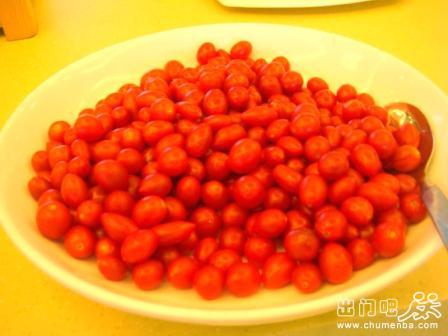
Cherry Tomato Cultivation Techniques
I. Introduction
Tomatoes are a warm-season vegetable with an indeterminate growth habit; the growth period can last 6-10 months (in a well-equipped large greenhouse it can reach more than 12 months), and the plants are tall (over 10 m). Harvest usually begins about 70-80 days after transplanting; the fruit skin is relatively thick and has extremely good storage and transport properties. The leaves are sweet and mellow, and the color is bright (bright red).
Cherry tomatoes yield 8-10 tonnes/mu, with single fruits of 10-15 g (varying with season and cultivation management level). Large tomatoes in a greenhouse can reach 10-15 tonnes/mu, with single fruits of over 150 g; the highest yield record in Israel is 30 tonnes/mu, so it can be called an excellent variety for protected cultivation. It is also the main variety promoted by Hazera in the global market.
II. Pre-planting Preparation and Cultivation Management
1. Land preparation: Fine preparation is required, with deep ploughing of the soil (40 cm); otherwise a plough pan easily forms, hindering water infiltration and salt diffusion, often making the soil too dry or too wet and causing salt accumulation, which affects deep rooting and root development. Therefore a good rhizosphere environment must be created to maximize root development, so that the plant has an excellent nutrient supply source; these are the prerequisites for obtaining high yield and quality.
2. Fertilizing and bed making: For the base fertilizer, use 5000-8000 kg of decomposed organic fertilizer; the amount should be generous. Spread the organic fertilizer and then re-plough. In addition, after the beds are made, open a furrow in the center of the bed and apply diammonium phosphate: 30-50 kg/mu, with a furrow depth of 10 cm.
Generally, high-bed cultivation is adopted in protected facilities
Greenhouse:
(1) Double-row planting (large and small rows): bed surface width 80-100 cm, width between two beds about 50 cm, bed height 15 cm, plant spacing 35-40 cm, 1800 plants per mu, but preferably not more than 2000 plants.
(2) Single-row planting: bed surface width 50 cm, width between two beds about 50 cm, bed height 15 cm, plant spacing 35 cm, 1800-2000 plants per mu.
In plastic tunnels, adopt wide-bed double-row planting, bed width 90-100 cm, plant spacing 35-40 cm, 2200 plants/mu.
3. Transplanting
(1) The soil should be moist at transplanting; if the soil is too dry, irrigate about 3-5 days before transplanting (for winter and early spring transplanting, irrigate earlier to ensure sufficient soil temperature).
(2) Digging holes: the hole depth should be the same as the seedling length or slightly deeper.
(3) Covering with soil: generally level with the seedling is sufficient; it should not be deep, or cover the seedling with a thin layer of soil. If planting through plastic film, the film holes must be sealed tightly with soil.
(4) Irrigation: after transplanting is completed, water immediately with the transplanting water; the amount should not be too large, generally about 10-20 cubic meters/mu.
4. Management after transplanting: