What Are Insect Pheromones? A Comprehensive Guide to the Relevant Knowledge
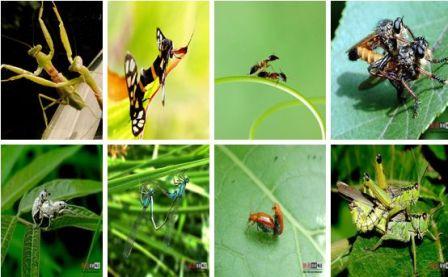
Image 1
At present, the basic means of pest control in agricultural production still mainly relies on chemical pesticides, but the long-term unrestrained use of pesticides has brought many side effects. First, the development of pest resistance leads to continuously increasing dosage and concentration of pesticides, rising costs year by year, and increasingly difficult control. Second, it disrupts the ecological balance: while controlling pests, a large number of natural enemies are killed, causing secondary pests to run rampant. Third, it pollutes the environment: large amounts of pesticide residues remain in crops, soil, rivers and lakes, and are then concentrated in the human body through the food chain, causing harm to humans once again. Therefore, research institutions both domestically and abroad are currently working hard to explore and study new approaches and new technologies for pest control. These studies include: the development of new, highly efficient, low-toxicity, low-residue chemical insecticides; the use of natural enemy insects and microbial pesticides; the application of insect sterilization technology and insect hormones; among these, research on using insect hormones, especially insect sex pheromones, for pest control is increasingly attracting people's attention and emphasis.