What to Do About Root Rot and Yellow Leaves in Hydroponic Plants? Master These Little Tips to Prevent Them Easily
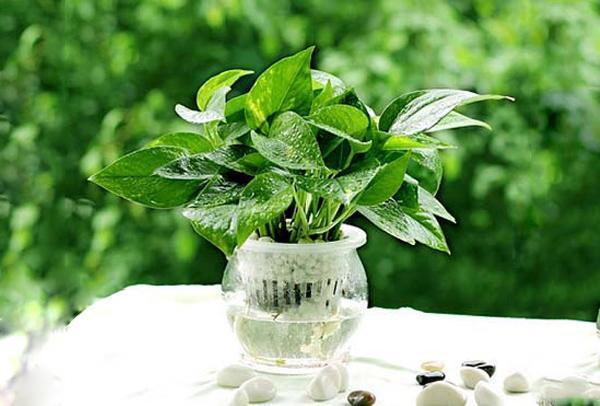
More and more people nowadays like to grow hydroponic plants at home. Not only can they increase indoor humidity, but you can also observe their white root systems. However, during the growing process, root rot or yellow leaves always appear. Actually, you just need to add a few of these things, and your plants will no longer have yellow leaves or root rot.
Coarse sand
Hydroponic plants nowadays are basically grown by putting water in a container and then placing the plant into the water. Doesn't that feel very plain? Actually, you can put a suitable amount of coarse sand into the container, about 3cm is enough, which can promote the growth of the plant's root system and keep the roots from rotting.
Fish
Many people nowadays keep a few fish in their hydroponic plants. This makes the hydroponic plants look more beautiful, and keeping fish in hydroponic plants can provide the plants with plenty of nutrients, because the droppings excreted by the fish are very good nutrients.
Rusty iron nails
Many people like to grow lucky bamboo (Dracaena sanderiana) at home, and yellow leaves always appear. That means it is lacking some iron. If it has not grown roots yet, you should change the water frequently, then put in a rusty iron nail, and basically it will quickly grow green leaves. If it has already grown roots, put in the iron nail and then just add some clean water.
Potassium permanganate
Everyone knows that hydroponic plants are very prone to root rot. Actually, potassium permanganate can ease the condition of root rot in plants. If the roots of a hydroponic plant at home have already rotted, you can cut off the rotted roots, then drip a few drops of potassium permanganate into the water, put the plant in, and after a while it can return to normal.
Charcoal
Charcoal has the effect of absorbing dirt. Putting charcoal into the water can not only prevent rot but also purify the water quality. So break the charcoal into pieces the size of a fingernail, then put the charcoal into the water. Each time you change the water, replace the charcoal, and this can effectively prevent root rot and stem rot.