Worm Castings Are Actually the Best Fertilizer in the World
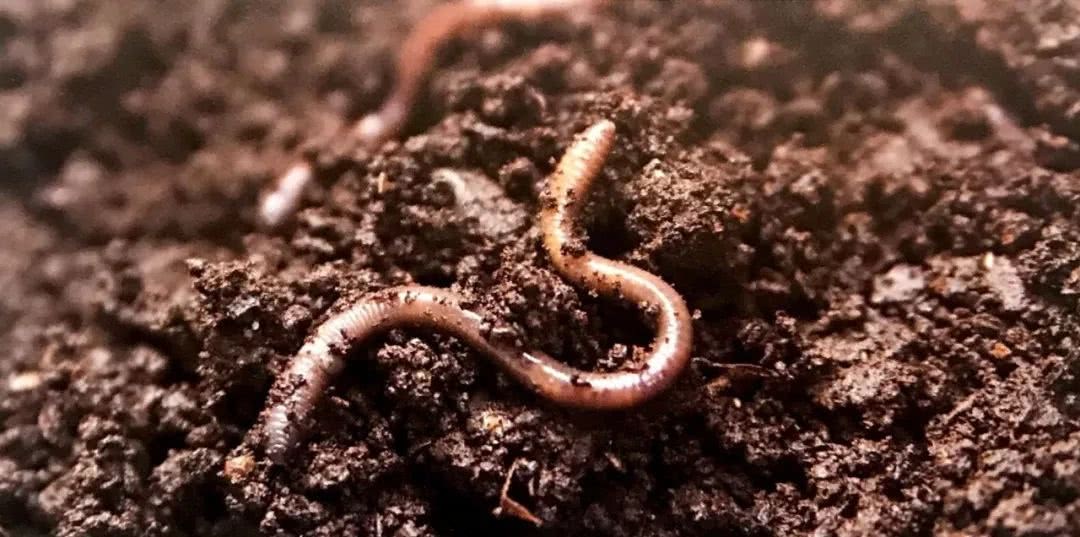
Little Earthworms, the Great Heroes of Soil Improvement
A long time ago, the editor always thought earthworms just loosened the soil. Although I knew that soil with earthworms was high-quality planting soil, I did not know why, and I knew even less that there was such a good method as vermicomposting.
Vermicomposting, just from the name, some readers may misunderstand it. Does it mean turning earthworms into compost?
Oh, NoNoNo!
Vermicomposting means that when making compost from kitchen scraps, you add earthworms at a specific time, letting these little creatures join our "composting project."
Tiny earthworms eat their own body weight in kitchen-scrap compost every day, and the droppings they excrete afterward are the best fertilizer in the world.
Do you want to do your part to improve soil quality for home gardening and balcony growing? Making vermicompost is a very good idea!
Earthworms Are the Most Valuable Animal on Earth
Please do not underestimate earthworms. Darwin once praised them as the most valuable animal on Earth!
Earthworm excrement (castings) makes soil fertile, and as earthworms burrow through the soil, they make the soil loose and airy. Gardening masters abroad greatly admire vermicomposting, using the special qualities of earthworms to improve soil that has been overused and polluted.
When doing vermicomposting, red wiggler worms are the most ideal choice. Red wigglers are also called Eisenia foetida, and they can regulate the pH of the soil. Their castings are very high in nutrients, and plants grown with this kind of compost grow especially healthy, with especially few pest problems.
Earthworms have long had the fine reputation of being cultivators of the earth.
The ventilated modular compost bin mentioned in an earlier article for balcony growing can also be extended to raise red wigglers. But there are techniques to this raising process, so let the editor explain it slowly.
When you have just poured in kitchen scraps, please do not put the earthworms in right away, because at this time the water content in the bin is too high and the acidity is too strong, which is not suitable for earthworms to survive. The editor suggests waiting until the kitchen scraps have been in for at least 1 month (in cold winter temperatures this can be extended to 2 months), when they have gradually fermented into compost soil, before adding the red wigglers. This way the success rate is very high.
Kitchen Scraps That Red Wigglers Like to Eat
Red wigglers are the little pets we raise in the compost bin (the editor... feels a bit grossed out...). They are not demanding about temperature and can survive from 5~35°C. But red wigglers are naturally fond of moisture, with humidity of 60%~80% being suitable.
Each earthworm needs to eat kitchen scraps equal to its body weight every day, and then excretes about half of that as worm castings. That is quite impressive, isn't it!
If raised properly, in about 1 year, 1 kilogram of red wigglers will multiply into 3 kilograms of worm compost soil. Readers should remember this figure well. Haha, this is the editor's voice of experience!
Red wigglers feed exclusively on rotting organic matter. If you want to successfully carry out vermicomposting, there are some finer points about the kitchen scraps you provide.
Vermicomposting Method
Kitchen Scrap Requirements
One: Remove salt and oil
Although red wigglers can tolerate moisture, they are not suited to being soaked in water, so wet kitchen scraps are best drained first, and raw kitchen scraps containing no oil or salt are preferable. Readers may first rinse cooked kitchen scraps, drain them, and then collect them together with raw kitchen scraps.
Among kitchen scraps, fruit peels, bread, okara, rice bran and so on are all foods that earthworms very much like.
Two: Non-toxic and free of preservatives
The food of earthworms is kitchen-scrap compost, but they are very afraid of preservatives and pesticides, so during the process of layering kitchen scraps, please pay attention to this point.
Some readers are used to pouring in potting soil instead of coconut coir, but please remember to choose soil that does not contain preservatives, otherwise it will affect the health of the earthworms.
Three: Cut into small pieces
Please cut the kitchen scraps into 1 cm pieces in advance so they decompose faster, or blend them in a juicer and then put them into the compost bin. This is also a good method.
When pouring a small amount of kitchen scraps into a compost bin with red wigglers, just spread it roughly flat and do not press hard, so the red wigglers can forage more easily.
If you successfully raise long, thick earthworms, you will be able to get ideal worm fertilizer more quickly.
Kitchen Scraps That Earthworms Fear
You Must Know
Strongly acidic or strongly alkaline environments.
Preservatives, pesticides, toxic substances.
Kitchen scraps high in salt and oil.
Excessive moisture or excessive dryness.
Strong light and poor ventilation.
Worm castings are rich in nutrients such as nitrogen, phosphorus, potassium, carbon, calcium and magnesium. Compared with cow manure after 1 month of piling, apart from slightly less potassium, all the other nutrients surpass those of cow manure compost.
Most importantly, after red wigglers are put into the compost bin, because the microbes in the earthworms' bodies decompose the kitchen scraps, the compost bin is less likely to breed maggots, grow mold, or give off bad odors.
Readers who like the vermicomposting method in this article may as well give it a try! After carrying out vermicomposting for 2 months, you will make excellent organic fertilizer.
Grow on the Balcony
All right, this article ends here. If readers still have any questions, check in at the comment section below.