This flower that looks like an orchid but is not one is especially beautiful; do this one extra step and it will grow like crazy and bloom nonstop
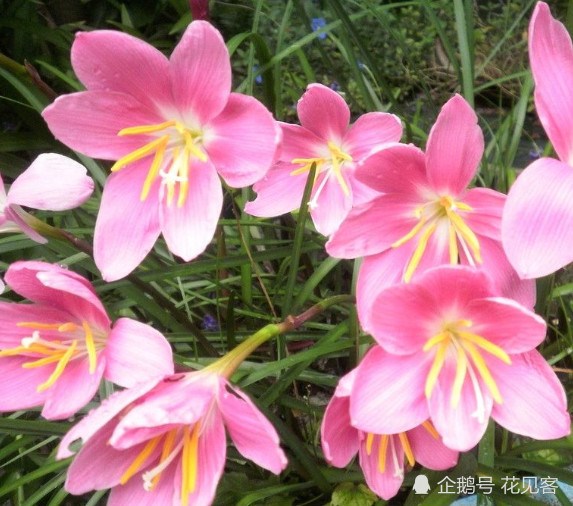
It looks like an orchid but is not one; this flower is the rain lily (Zephyranthes), a perennial herbaceous plant. Although it also carries the word "orchid" in its name, it does not belong to the Orchidaceae family. Just like the clivia and the phalaenopsis, the rain lily grows in clustered clumps as a mature plant, with linear leaves that closely resemble chives, evergreen all year round. Its blooming period is from April to September, and it often blooms in the soil after rain. Its flowers look like lilies, so it is also called the rain lily, and it is especially beautiful!
The rain lily has strong vitality and is a rough-and-tumble type of plant, but raising it well is not all that easy. Today I will introduce the key points of caring for the rain lily. Do this one extra step and it will grow like crazy and bloom nonstop!
The rain lily has fairly well-developed bulbs that can sprout new shoots and bloom, so it easily absorbs nutrients from the shallow layer of potting soil. Some flower growers will find that with rain lilies that have been planted for a long time, no matter how they fertilize and water, the growth state is always not so good. In fact, a large part of this is a problem with the shallow soil layer: it has become too poor and is affecting its growth and blooming.
So you should add the extra step of "mounding soil." You can directly use leaf mold and sandy soil, mixed at a ratio of 2:1, then add it to the flower pot. According to the size of the plant and the pot, add an appropriate amount of soil.
The rain lily likes fertilizer. During the growth and blooming period, you must provide sufficient fertilizer, mainly organic fertilizer. You can apply some decomposed soybean cake fertilizer, fermented rice-washing water, and so on. When it enters the blooming period, you can spray a 0.1% potassium dihydrogen phosphate solution on the leaves every month, which can make the leaves more emerald green, produce more flowers, and extend the blooming period.
One more point: under normal care conditions, if the rain lily blooms little or even does not bloom at all, then you should prune it appropriately, cutting off some old leaves to reduce excessive nutrient consumption and concentrate nutrients for blooming. That way, before long you will see flower stalks emerge and bloom.
That is all for the care of the rain lily. If fellow flower growers have other additions, you can share them with everyone in the comment section below. If you want to learn more about flower-growing knowledge, you can follow Huajianke!